
Raising Resilient Kids: Practical Ways to Nurture Emotional Wellbeing at Home
Raising resilient kids takes more than just good intentions. Your child’s emotional wellbeing shapes how they handle challenges, build relationships, and grow confident. At Your Journey Therapy, we share simple, practical parenting strategies Australia families trust to nurture resilience in children every day. Keep reading to find clear steps you can use at home and meet a team ready to support your family’s unique path. For more insights, you can explore this resource on healthy mental and emotional development in children.
Nurturing Emotional Resilience
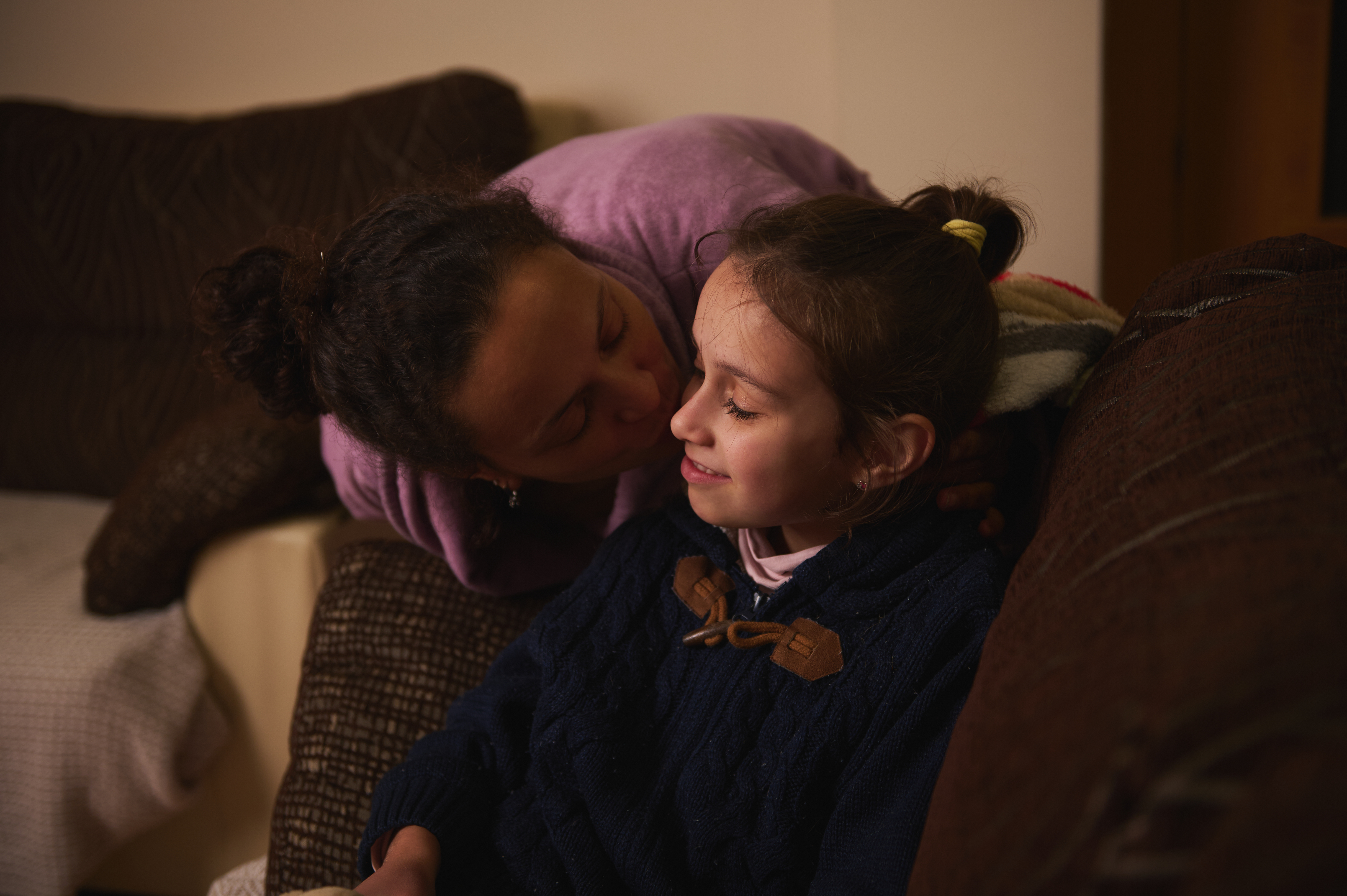
Helping your child develop strong emotional resilience is key to their long-term wellbeing. The right environment makes a big difference. Let’s explore how you can create this supportive atmosphere at home.
Building a Supportive Environment
A nurturing home sets the stage for your child’s emotional growth. Start by providing a space where they feel safe and loved. Let them know it’s okay to express how they feel, whether happy, sad, or frustrated. Being present and attentive builds trust and fosters a sense of security in your child.
Consistency is also crucial. Set routines and stick to them. This predictability helps children feel safe and know what to expect. For example, regular family meals or bedtime stories can offer stability. Remember, your actions speak louder than words. Children learn resilience by watching you. Show them how you handle stress and challenges, as this will teach them how to navigate their own emotions.
Emotion Coaching for Kids
Guiding kids through their emotions is a powerful tool. Start by noticing emotions in your child. Label what they are feeling and help them understand it. For instance, if they seem upset, you might say, “You look like you’re feeling mad about that.” This helps kids identify emotions and feel understood.
Once emotions are identified, guide them through problem-solving. Ask questions like, “What do you think we can do about this?” This encourages them to think and find solutions. It also teaches them that they have the power to change how they feel. Emotion coaching isn’t about fixing their problems but helping them discover their own coping strategies. You can find more tips on emotion regulation for kids here.
Positive Parenting Strategies
Positive parenting can change the way your child experiences the world. Focus on encouragement rather than criticism. Praising effort instead of just results can build a child’s confidence and resilience. For example, instead of saying, “Great job on the test,” try, “I’m proud of how hard you studied.”
Set clear expectations and boundaries. Kids thrive when they know their limits. Consistency with rules and consequences helps them understand the importance of responsibility. Lastly, spend quality time together. This strengthens your bond and provides a foundation of trust and love. Explore more about positive parenting here.
Everyday Emotional Wellbeing Tips

Everyday habits play a big role in your child’s emotional health. Let’s look at some simple tips to integrate into your daily routine to boost their wellbeing.
Daily Routines for Stability
Daily routines offer children a sense of stability and control. They know what to expect, which reduces anxiety. Consistent wake-up and bedtime routines are a great place to start. They help regulate your child’s body clock and ensure they get enough rest.
Incorporate fun activities into their routine. This could be a morning walk or a daily craft project. These small joys can brighten their day and give them something to look forward to. Remember, the goal is to create a balance between structure and flexibility. Predictability is comforting, but it’s also important to be adaptable when needed.
Encouraging Open Communication
Open communication is vital for emotional wellbeing. Encourage your child to share their thoughts and feelings. This can be achieved by asking open-ended questions that require more than a yes or no answer. For instance, ask, “What was the best part of your day?”
Be an active listener. Give them your full attention, and avoid interrupting while they speak. Show empathy by acknowledging their feelings. This builds trust and lets them know you value their perspective. When children feel heard, they’re more likely to express themselves freely and confidently. For more on supporting communication, see this helpful guide.
Recognising and Naming Emotions
Helping children recognise and name their emotions is an essential life skill. Start by teaching them basic emotions such as happy, sad, angry, and scared. Use everyday situations to point out these feelings. If they’re upset about dropping an ice cream, you might say, “It looks like you’re feeling disappointed.”
Use visual aids like emotion charts to help them identify feelings. These can be especially useful for young children or those with communication difficulties. Encourage them to express what they’re feeling, even if it seems trivial. This practice will help them gain emotional intelligence and better manage their reactions to various situations.
Melbourne Therapy Resources

If you’re looking for additional support, Melbourne offers a wealth of resources to assist with your child’s emotional and developmental needs. Here’s how Your Journey Therapy can help.
Child Psychologist Melbourne Services
Professional support can make a significant difference in a child’s life. A child psychologist provides a safe space for them to explore their feelings and challenges. They use evidence-based techniques to help children manage anxiety, depression, and other emotional issues.
At Your Journey Therapy, our child psychologists focus on tailored approaches to suit each child’s unique needs. They work closely with families to ensure everyone is involved in the healing process. If you need guidance on psychological assessments for conditions like ADHD or ASD, our team is here to assist.
Occupational and Speech Therapy Melbourne
Occupational and speech therapy are invaluable for children with developmental challenges. Occupational therapists help kids develop necessary life skills, improving their independence. They address issues like motor skills, sensory processing, and self-care tasks.
Speech therapy focuses on communication skills. Whether it’s clear articulation or understanding language, our therapists offer personalised plans. These services are crucial for children with speech delays or social interaction difficulties. At Your Journey Therapy, our multidisciplinary team collaborates to provide comprehensive care.
Social Skills and School Readiness Programs
Social skills play a crucial role in a child’s development. Engaging in group activities helps them learn how to interact, share, and empathise with others. Our social skills groups in Melbourne offer a structured environment where kids can practice these skills.
Preparing for school is another important step. Our school readiness programs focus on enhancing social, emotional, and academic skills. These programs are designed to ease the transition into school life, ensuring your child is well equipped to succeed. For more information on our programs, reach out to us and discover how we can support your child’s journey.
With these insights and resources, you’re equipped to nurture your child’s emotional resilience and wellbeing. Remember, your involvement and support are key to their growth.