
Speech, emotions and behaviour in children are tightly linked—and when one area struggles, the others often follow. You might notice your child’s words, feelings or actions don’t match up, leaving you unsure how to help. Understanding these connections can ease your worries and guide you toward the right support. Let’s explore how speech pathology Melbourne services can help your child’s communication, emotional regulation and behaviour work together better. For further insights, consider reading this study.
Understanding the Speech and Behaviour Link
Understanding the link between speech and behaviour is crucial for addressing communication challenges in children. This connection can provide insights into how to support your child’s development effectively.
Speech Pathology Melbourne Insights
Children often express their feelings and needs through speech. When speech is unclear or delayed, frustration can build, sometimes leading to behavioural issues. A paediatric speech therapist in Melbourne offers tailored strategies to enhance your child’s communication skills. By focusing on individual needs, they help children find their voice and express themselves better. This can lead to improved interactions at home and school.
Improving speech can also boost confidence. As children learn to speak more clearly, they often feel more comfortable in social settings. This can reduce anxiety and help them connect with peers. Speech therapy involves exercises and activities that make learning fun, engaging your child while addressing specific speech challenges.
Child Behaviour and Emotions Connection
The emotional world of a child is complex, and behaviour often reflects underlying feelings. By understanding their emotions, you can better manage behaviours. Children who struggle with emotions might act out or withdraw. Recognising these signs early is vital for effective intervention.
Support from professionals can make a big difference. Therapy sessions can teach children to identify and manage their emotions. This understanding can lead to healthier behaviours and interactions. With professional guidance, children learn ways to express emotions positively, reducing negative behaviours and fostering emotional growth.
Emotional Regulation in Children
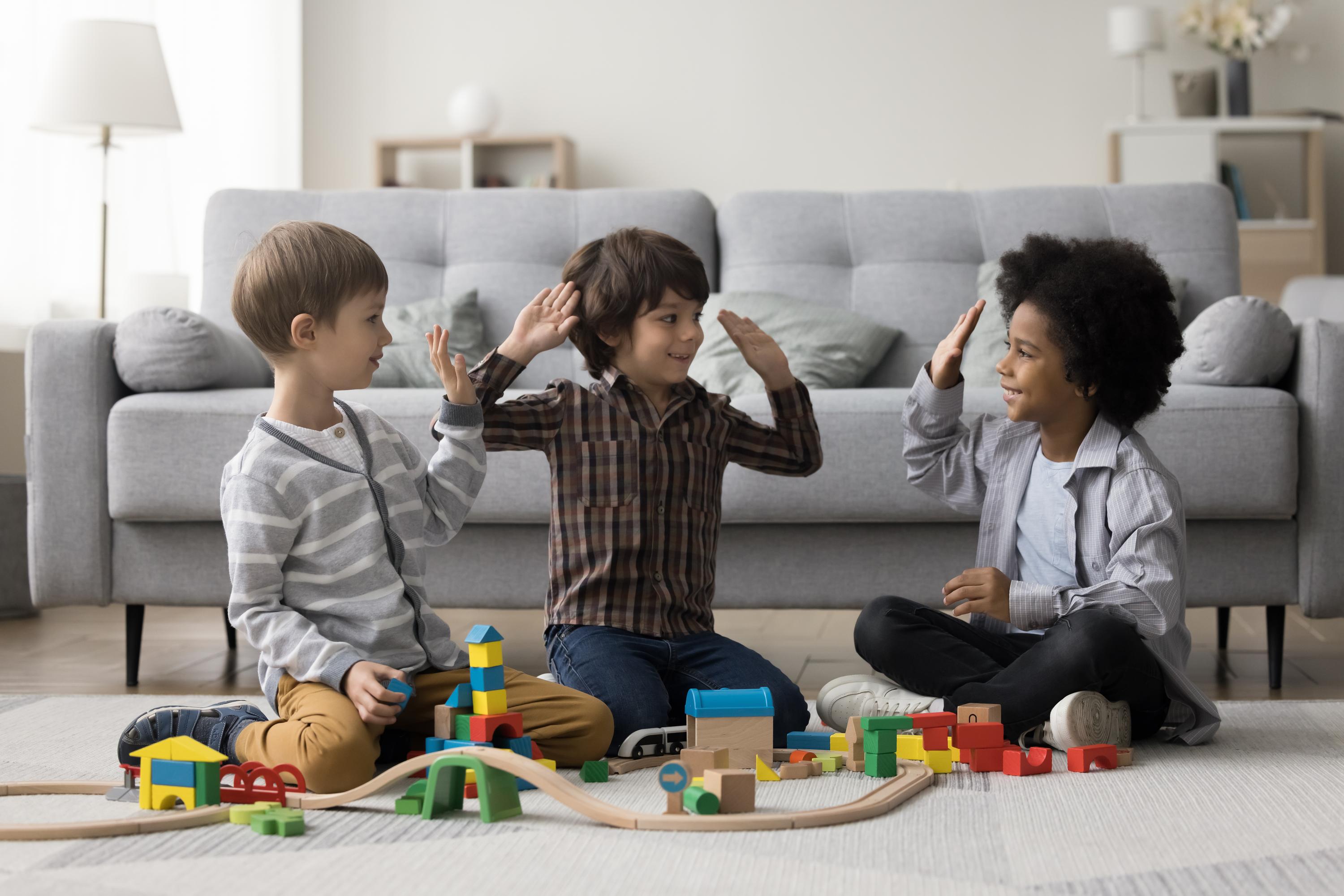
Emotional regulation is a key skill for children. It involves managing emotions in a way that is appropriate to the situation. This skill is crucial for social interactions and overall well-being.
Sensory Regulation Strategies
Sensory experiences can greatly influence a child’s emotions. Some children are more sensitive to sensory input like noise or textures. Identifying these sensitivities can help in developing strategies to manage them. Occupational therapy for regulation provides practical ways to help children respond to sensory inputs in a balanced way.
Simple techniques can be effective, like having a quiet space for calming down or using textured toys for tactile input. These strategies empower children to manage their sensory experiences better, leading to improved emotional regulation. Parents can support this process by observing their child’s reactions and working with therapists to tailor strategies to their needs.
Recognising Language Delay Signs
Language delays can impact a child’s ability to communicate effectively. Recognising these signs early is crucial for timely intervention. Children might struggle to form words, follow directions, or engage in conversations.
Speech therapy can address these challenges by focusing on language development. Therapists use games and exercises to enhance vocabulary and comprehension. Early intervention can prevent frustration and improve communication skills, fostering better interactions with peers and adults. If you suspect a language delay, consulting with a professional can provide clarity and direction.
Practical Support and Programs
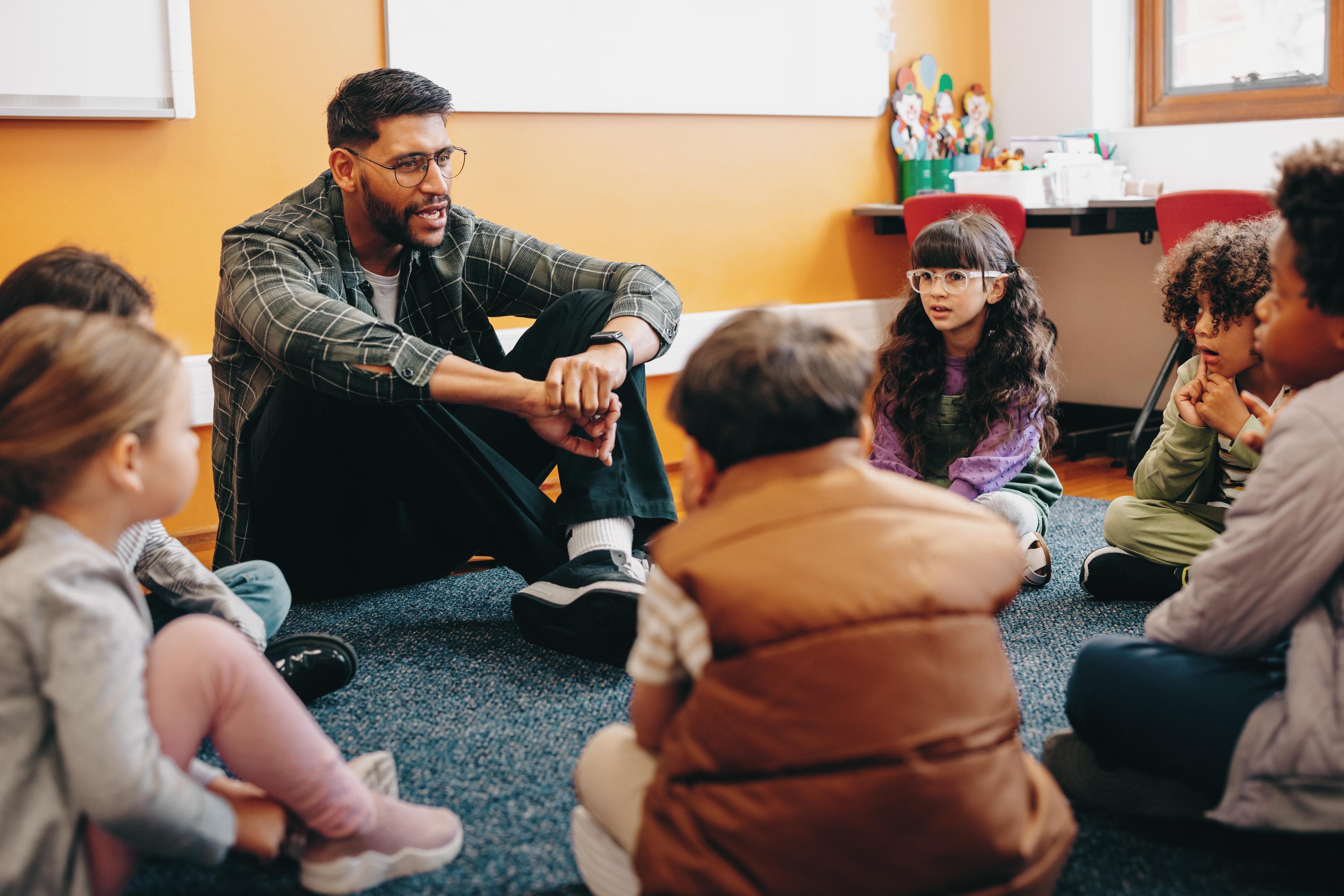
Support programs play a vital role in enhancing a child’s development. These programs are designed to address specific needs and provide structured learning environments.
Social Skills Groups Melbourne
Social skills are essential for building relationships. Social skills groups in Melbourne offer children a chance to practice these skills in a supportive setting. These groups focus on activities that promote sharing, taking turns, and cooperation.
Participating in social skills groups can lead to improved interactions with peers. Children learn to navigate social situations with confidence, reducing anxiety in group settings. These groups provide a safe space for children to explore friendships and develop communication skills, helping them feel more connected and understood.
School Readiness Program Melbourne
Preparing for school involves more than just academic skills. A school readiness program in Melbourne focuses on the holistic development of children, ensuring they are ready for the classroom environment. These programs cover essential skills like listening, following instructions, and interacting with others.
Children who participate in school readiness programs often transition more smoothly into school. They gain confidence in their abilities and are better equipped to handle the demands of a classroom. With a strong foundation, children can thrive in their educational journey and beyond.
Frequently Asked Questions
What are the signs of a language delay in children?
Children with language delays may struggle to form sentences, have a limited vocabulary, or find it hard to follow conversations. They might also have difficulty understanding instructions. Early signs include not responding to their name or not using gestures like waving.
How can speech therapy help with behaviour issues?
Speech therapy can improve communication skills, reducing frustration that stems from not being understood. As children learn to express themselves verbally, they often show improved behaviour. Therapy sessions can also teach strategies for managing emotions and reactions.
What can I do at home to support my child’s emotional regulation?
Creating a calm environment and establishing routines can help. Encourage your child to express their feelings through words and provide them with tools like a quiet corner or sensory toys. Working with a therapist can offer additional strategies tailored to your child’s needs.
Why are social skills groups beneficial for my child?
Social skills groups offer a supportive environment for children to practice interacting with others. These groups help children learn to share, take turns, and resolve conflicts. Participation can boost confidence and improve their ability to form friendships.
Is early intervention important for language delays?
Yes, early intervention can significantly impact a child’s communication development. Addressing language delays early can prevent further frustration and improve social interactions. Professional guidance can provide targeted strategies to support your child’s growth.


