

Morning chaos, mealtime battles, and bedtime struggles can feel overwhelming when your child has sensory needs at home. You want calm, predictable routines but don’t always know where to start. This post shares simple sensory strategies for kids that ease daily stress and support your family’s well-being. Ready to find practical tips that work in real life? Let’s explore ways to create calmer routines together.
Understanding Sensory Processing Differences
Helping your child with sensory needs starts with understanding what these needs are and how they can affect daily routines. This insight forms the foundation for creating a supportive home environment.
What Are Sensory Needs?
Sensory needs arise from how a child processes sensory information. Your child might be sensitive to sounds, lights, or textures. This sensitivity can cause discomfort or overwhelm, making it hard for them to focus or relax. It’s like their brain is on high alert, trying to process a lot of information at once. Understanding this can help you see why certain situations might be challenging for them.
How Sensory Needs Affect Daily Routines
Sensory processing differences can make everyday activities a struggle. A child might find getting dressed uncomfortable due to fabric textures, or they might react strongly to the sound of a vacuum cleaner. These reactions can disrupt routines, leading to stress for both the child and the family. Recognizing these patterns is the first step in finding solutions.
Practical Sensory Strategies for Kids

Creating routines that accommodate your child’s sensory needs can bring more peace to your household. Let’s look at some practical strategies to support your child’s sensory needs throughout the day.
Morning Routine Tips for Kids
Starting the day can set the tone for what follows. To make mornings less stressful, try incorporating sensory-friendly activities. For instance, let your child choose their clothes the night before to avoid rush decisions in the morning. You can also use a soft, calming alarm sound to wake them gently. These small choices can create a smoother start for everyone.
Creating a Bedtime Sensory Routine
A calming bedtime routine helps your child wind down after a long day. Consider including activities like a warm bath or soft music to soothe their senses. You could also use a weighted blanket to provide gentle pressure, which many children find comforting. By structuring bedtime with these sensory elements, you help your child transition to sleep more easily.
Mealtime Texture Sensitivity Solutions
Mealtime can be tricky if your child has texture sensitivities. Offer a variety of foods with different textures to gradually expand their palate. Allow them to explore with their fingers before using utensils. Patience is key, and praise for trying new foods can encourage them to keep experimenting. This approach reduces mealtime stress and encourages healthy eating habits.
Building a Sensory-Smart Home Environment
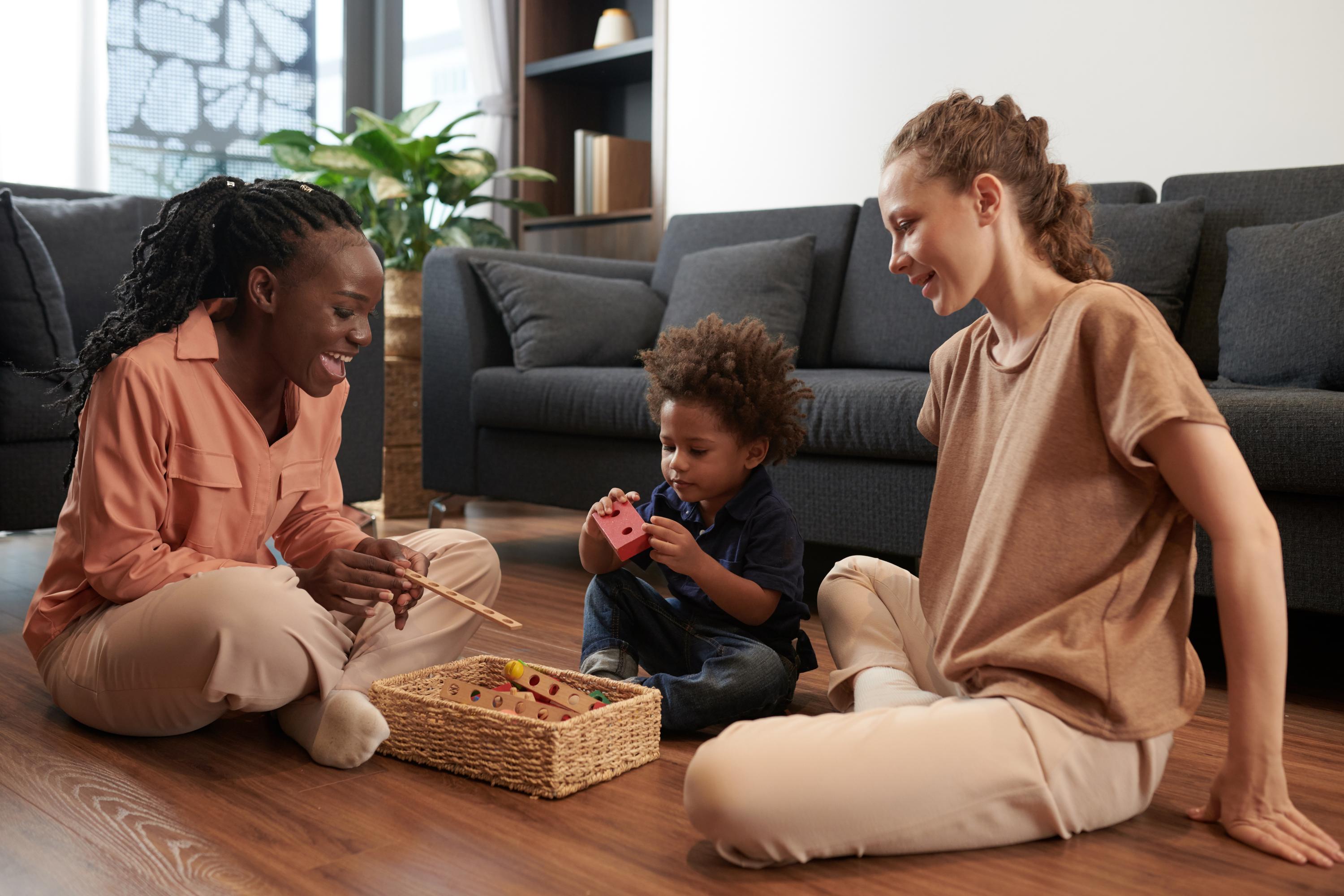
Your home can be a sanctuary for your child’s sensory needs. By making simple adjustments, you can create spaces that support their comfort and growth.
Setting Up Sensory-Smart Spaces
Designing sensory-friendly areas at home can make a big difference. Start with a quiet corner filled with soft cushions and dim lighting where your child can retreat to when they feel overwhelmed. You can also include items like noise-cancelling headphones or fidget toys to help them manage sensory overload. By having these spaces, you provide your child with safe zones to decompress.
Visual Schedules for Children
Visual schedules help children understand what’s coming next. Use pictures or symbols to show daily activities, which can reduce anxiety about transitions. This tool helps your child know what to expect, making them feel more secure. Over time, they might even start looking forward to certain parts of their day.
Movement Breaks and Heavy Work Ideas
Incorporating movement breaks throughout the day can be beneficial. Activities like jumping, stretching, or carrying heavy items can help regulate your child’s sensory system. Encourage them to take these breaks when needed to stay focused and calm. These activities can be both fun and functional, supporting their physical and emotional well-being.
Frequently Asked Questions
How can I make my home more sensory-friendly?
To create a sensory-friendly home, start by setting up quiet, comfortable spaces for your child to retreat to. Incorporate calming activities and tools, like soft lighting and weighted blankets, to help manage sensory overload.
What are some good morning routine tips for children with sensory needs?
Prepare for a smoother morning by picking out clothes the night before and using calming alarm sounds. These small changes can help reduce stress and set a positive tone for the day.
What can I do if my child is sensitive to food textures?
Introduce a variety of textures gradually and allow your child to explore foods with their fingers. Praise their efforts in trying new foods, which can help build positive mealtime experiences.
How do visual schedules help children with sensory needs?
Visual schedules provide a clear outline of daily activities, reducing anxiety about transitions. This tool helps children understand what to expect, making them feel more secure in their routines.
Why are movement breaks important for kids with sensory needs?
Movement breaks help regulate the sensory system, improving focus and calmness. Activities like jumping or stretching can be both enjoyable and beneficial for your child’s well-being.


