

School readiness in Melbourne means more than just knowing letters and numbers. Your child’s ability to manage emotions, build friendships, and take care of themselves sets the foundation for a confident start to Prep. This guide shares simple, everyday ways to support these skills at home and shows how Your Journey Therapy’s School Readiness Program can help your family feel ready for the big day. Ready to take the next step? Let’s get started.
Building Real-World School Readiness
The leap into school is more than academic. It’s about nurturing a child’s emotional and social skills, making them ready for any challenge. Let’s start by focusing on essential self-care skills.
Self-Care Skills for Children
Building self-care skills is foundational. These abilities, like dressing themselves and brushing their teeth, boost a child’s independence. Start with one task at a time: let them dress in the morning. Praise their efforts, even if socks end up mismatched. Gradually, introduce tasks like simple meal prep. A child who can make a sandwich will feel capable.
Role models make a difference. Get involved by demonstrating tasks. Your child learns by watching you, so turn routines into shared activities. These skills foster confidence, making the school day smoother.
Emotional Regulation for Kids
Handling emotions is crucial for every child. Teach your child to name their feelings. This helps them manage emotions rather than act out. Use simple words like “happy”, “sad”, or “angry”. Practice with them: “I see you’re mad. Let’s count to five and take a deep breath.”
Create a calm-down space at home. A small corner with soft pillows can be their refuge. Encourage your child to retreat there when overwhelmed. This empowers them to manage stress, supporting smoother school transitions.
Social Skills Groups Melbourne
Social skills are learned through play. Encourage interactions with peers through playdates or group activities. Social skills groups in Melbourne offer structured learning environments. These groups teach turn-taking and empathy, essential for school success.
Watching other kids helps your child understand social cues. As they play, they learn to read expressions and respond appropriately. This knowledge makes navigating friendships in school less daunting.
Play and Independence in Prep Readiness
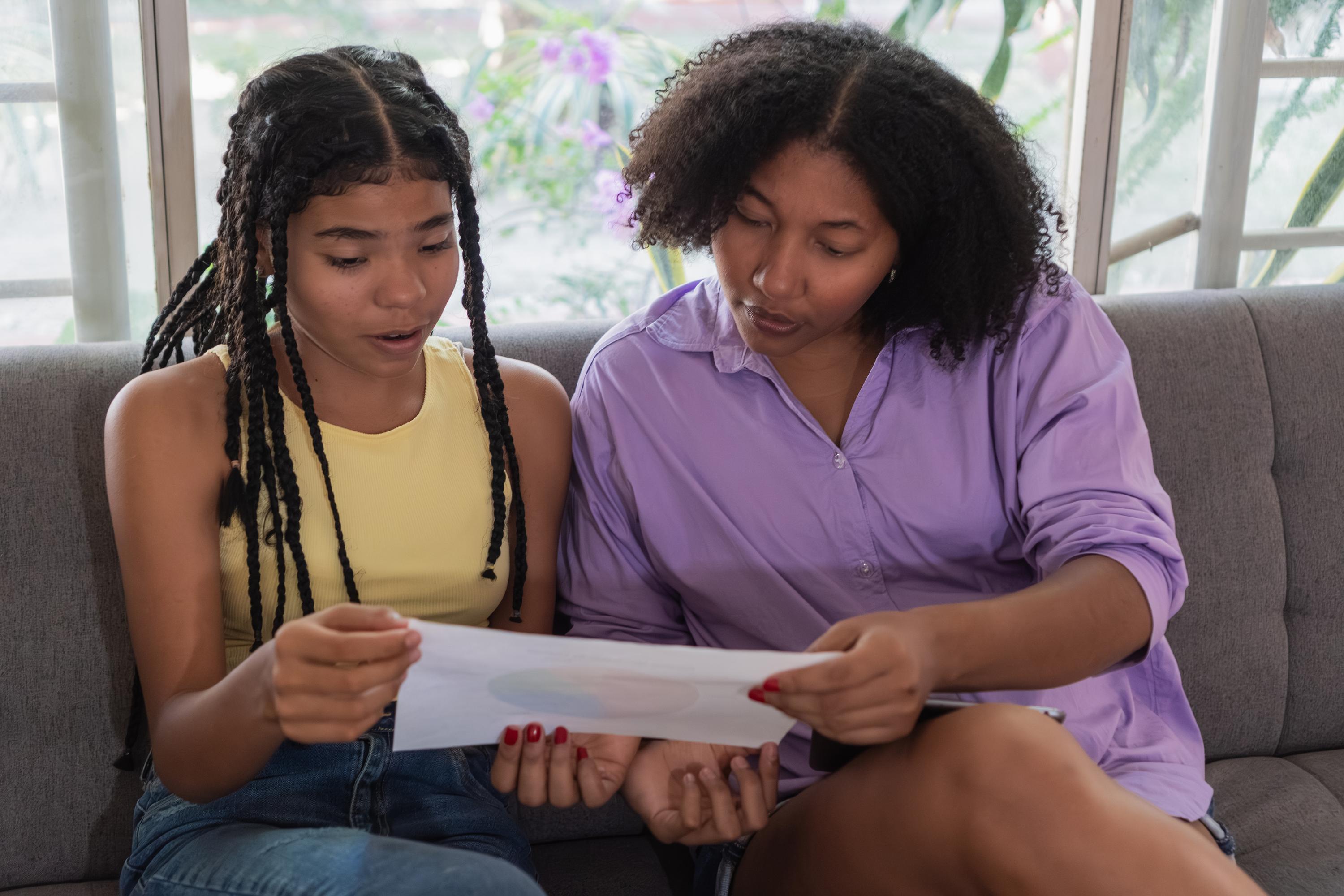
Play is more than fun. It’s a powerful tool to prepare your child for school. Let’s explore how play-based learning and fostering independence contribute to Prep readiness.
Play-Based Learning Melbourne
Play-based learning is thriving in Melbourne. This approach connects play with learning. It builds creativity and problem-solving skills. Encourage your child to play with puzzles or blocks. These toys stimulate the brain and build the foundation for maths and science concepts.
Invite your child to lead play. Let them decide the storyline, whether it’s a pirate adventure or a tea party. This autonomy in play builds decision-making skills, enhancing their readiness for structured school settings.
Encouraging Independence at School
Independence at school starts at home. Allow your child to practise decision-making by choosing their clothes or deciding on a weekend activity. These choices, though small, build confidence and autonomy.
Teach practical tasks like tying shoelaces. This skill might seem small, but it’s a big step toward independence. Use a simple rhyme to guide them through the process. Mastering such tasks makes your child feel capable and school-ready.
Routines for School Mornings
A morning routine sets the tone for the day. Create a simple checklist for your child: get dressed, eat breakfast, pack their bag. Use pictures for younger children to follow along. Practising this routine creates familiarity.
Consistency is key. Stick to your routine even on weekends. This practice makes school mornings less rushed, reducing anxiety for both you and your child. A smooth start to the day supports a positive school experience.
Practical Strategies for Kindy Transition
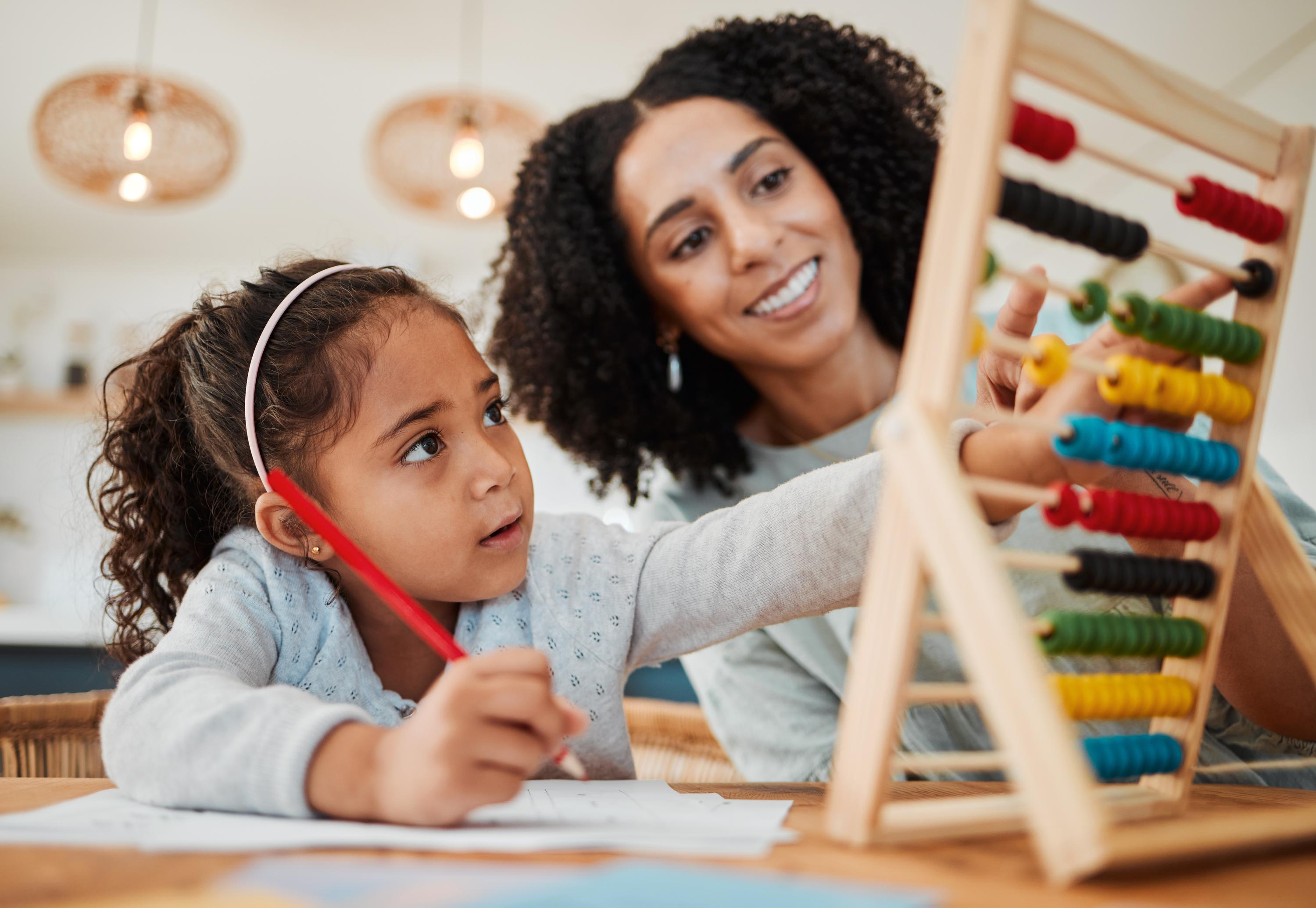
Transitioning to kindy is a significant milestone. Equip your child with skills that make this shift smoother, focusing on lunchboxes, toileting, and sensory needs.
Lunchbox and Mealtime Skills
Packing a lunchbox is a skill in itself. Involve your child in the process. Let them choose healthy snacks and practice opening containers. This independence reduces lunchtime struggles at school.
Teaching table manners is equally important. Simple rules like “chew with your mouth closed” enhance social interactions. These skills support a child’s confidence during shared mealtime at school.
Toileting Readiness and Self-Care
Toileting independence is vital for school readiness. Encourage your child to use the toilet alone, practising wiping and flushing. Praise their efforts, building their confidence.
Accidents happen. Teach your child it’s okay and how to handle the situation calmly. Knowing they can manage themselves boosts their self-esteem and reduces stress during school hours.
Sensory Processing Support 🎒
Sensory sensitivities can affect school experiences. Help your child recognise triggers. Loud noises or tight clothes can be overwhelming. Create a sensory toolkit: noise-cancelling headphones or a soft toy. This toolkit provides comfort and stability.
Work with your child to identify soothing activities. Swinging or deep pressure hugs can calm them. Understanding their sensory needs empowers your child to cope in school, enhancing their learning experience.
Frequently Asked Questions
What is school readiness in Melbourne?
School readiness involves more than academics. It includes emotional, social, and self-care skills that prepare children for school environments.
How can I teach my child emotional regulation?
Start by helping your child identify and name their emotions. Encourage deep breathing or counting when they feel overwhelmed.
What are some independence-building activities for my child?
Involve your child in daily tasks like dressing themselves or packing their lunch. These activities foster decision-making and self-sufficiency.
How can play support my child’s school readiness?
Play encourages creativity and problem-solving. It helps children understand social cues and develop essential skills for structured school settings.
Are there sensory processing supports available for my child?
Yes, create a sensory toolkit with items like headphones or soft toys to help your child cope with sensory sensitivities at school.


