

Friendships don’t always come easily for every child, and that can be tough for families to watch. If your child finds social situations confusing or struggles to connect with peers, you’re not alone. At Your Journey Therapy in Melbourne, we offer tailored social skills support designed to help children build confidence and understand friendships better. Keep reading to learn how our team’s mix of therapy and group programs can make making mates feel easier for your child. For more insights, you can also check this article.
Understanding Friendship Challenges
Friendships can be tricky, especially when a child struggles to understand social cues or feels overwhelmed in group settings. Let’s explore why these challenges arise and how you can support your child.
Why Friendships Can Be Tricky
Children might find friendships difficult due to various reasons. Sometimes, they don’t understand the unwritten rules of social interactions. Other times, they might feel anxious or unsure of themselves. For example, a child might not realise when it’s their turn to speak in a conversation, leading to misunderstandings. Social dynamics can be confusing, and this is where extra support becomes crucial.
By identifying the specific hurdles your child faces, you can take steps towards making social situations less daunting. Reading about why some children struggle with social skills might provide further clarity.
Recognising the Signs of Struggle
Spotting the signs early can make a big difference. If your child avoids group activities, struggles to make or keep friends, or often plays alone, these could be indicators they need help. You might notice they have a hard time understanding jokes or metaphors, which can lead to issues with peers.
Observing these signals lets you know when to seek support. It’s about recognising these patterns and finding ways to help your child navigate their social world more comfortably.
The Role of Neurodiversity Affirming Therapy
Neurodiversity affirming therapy focuses on embracing each child’s unique way of interacting with the world. This approach acknowledges that differences in
Understanding Friendship Challenges
Why Friendships Can Be Tricky
Building friendships can be like navigating a maze for some kids. Social cues, nonverbal communication, and the give-and-take of conversations can feel overwhelming. Research highlights that some children may need extra guidance to understand these complex interactions. This is where targeted support can make a difference. With the right help, kids can develop the skills they need to connect with others.
Recognising the Signs of Struggle
Not every child who is quiet or reserved is struggling with friendships. But if your child shows signs like avoiding group activities, expressing frustration with peers, or feeling lonely, it might be time to look deeper. These signs can indicate a need for support in building social skills. Observing your child and understanding these signals can guide you in seeking the right help.
The Role of Neurodiversity Affirming Therapy
Neurodiversity affirming therapy recognises and embraces the unique ways children experience the world. It helps them leverage their strengths while providing tools to navigate social scenarios. At Your Journey Therapy, we focus on personalising therapy to fit the individual needs of each child. This approach not only builds confidence but also encourages genuine connections with peers.
Multidisciplinary Support in Melbourne
The Benefits of Speech Pathology
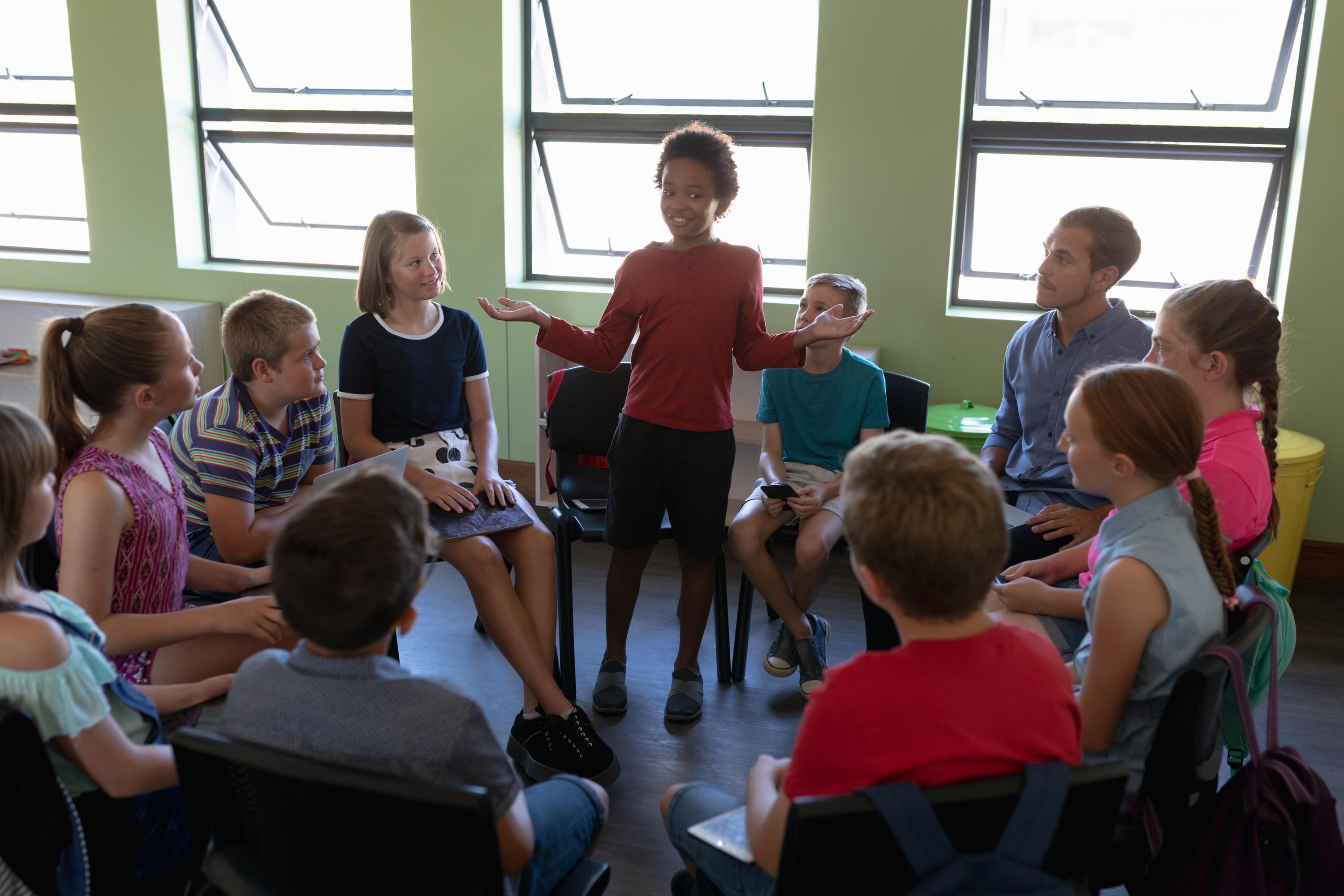
Speech pathology isn’t just about clear speech. It plays a vital role in improving social communication. Children learn to express themselves better, understand others, and engage in meaningful interactions. By focusing on these skills, speech pathology can enhance how children connect with their peers. This allows them to participate more fully in social settings, fostering friendships.
Occupational Therapy for Social Play
Occupational therapy helps children engage in social play, which is crucial for building friendships. By improving skills like turn-taking, sharing, and playing cooperatively, occupational therapy supports social development. It also addresses sensory needs that might affect social interactions. This holistic approach ensures that children feel more comfortable and confident in group settings.
Paediatric Psychology and Emotional Regulation
Emotional regulation is key to successful social interactions. Paediatric psychology helps children understand and manage their emotions, building resilience in social situations. By guiding children through emotional challenges, psychologists help them develop healthier relationships with peers. This foundation of emotional awareness supports better interactions and stronger friendships.
Your Journey Therapy Approach
Tailored Social Skills Groups for Children
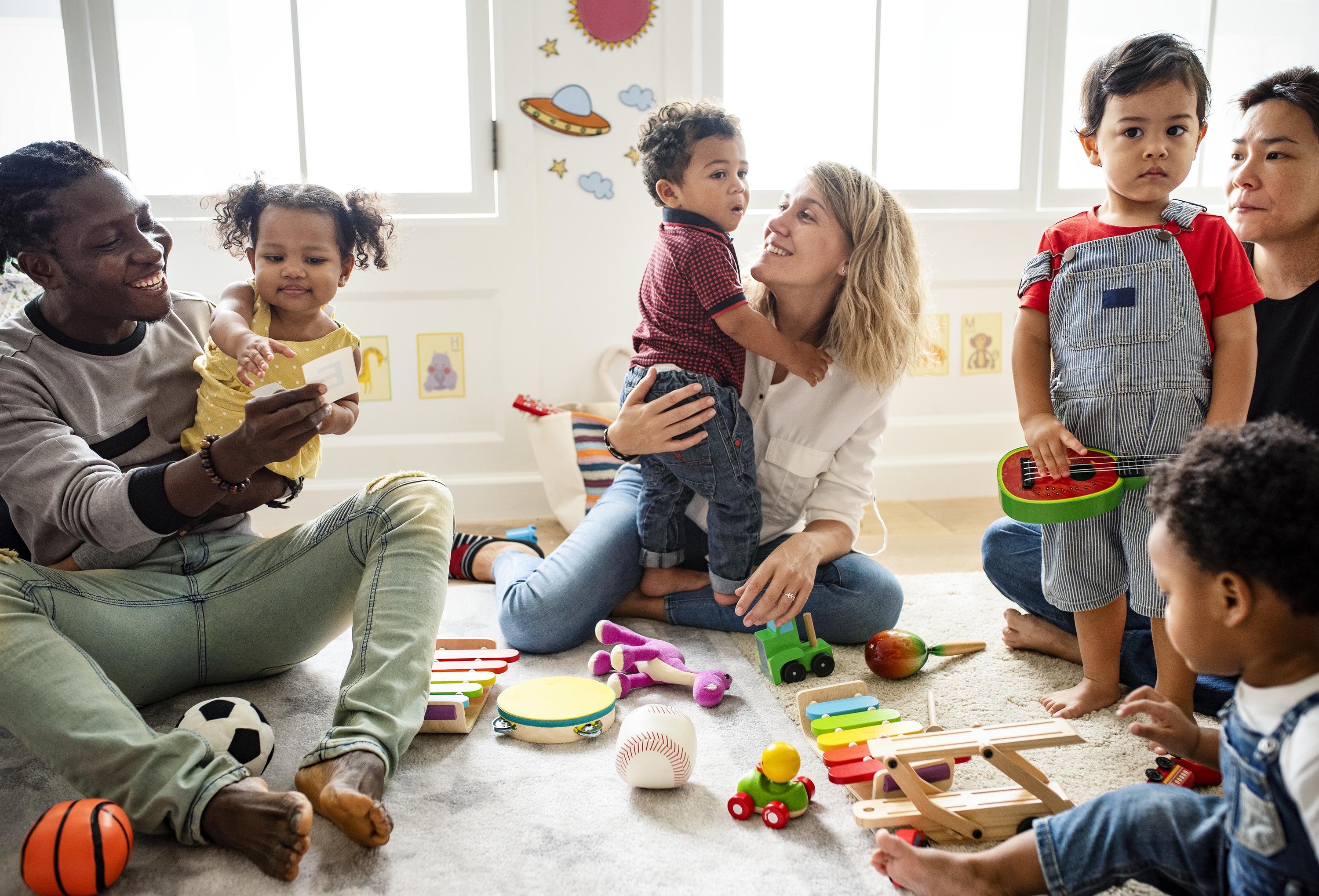
Our social skills groups provide a supportive environment for children to practice and enhance their interaction abilities. Led by experienced therapists, these groups focus on real-world scenarios, helping children apply what they learn in everyday life. This practical approach ensures they can make friends more easily and enjoy social activities with confidence.
School Readiness Program Melbourne
Preparing for school involves more than academic skills. Our school readiness program focuses on the social and emotional aspects of starting school. We help children develop the skills they need to make friends and feel comfortable in a new environment. This program sets the stage for a successful and enjoyable school experience.
How to Get Started with NDIS Registered Therapy
Accessing therapy services can be daunting, but with NDIS registered therapy, it’s easier than you might think. At Your Journey Therapy, we guide you through the process, ensuring you understand your options and feel supported every step of the way. With a focus on tailored care, we help your child thrive in their social world.
Frequently Asked Questions
What signs indicate my child might need social skills support?
Children who avoid group activities, show frustration with peers, or express feelings of loneliness may benefit from social skills support. Recognising these signs early can help in seeking the right intervention.
How does occupational therapy assist with social play?
Occupational therapy supports social play by improving skills like turn-taking, sharing, and cooperative play. It also addresses sensory needs that may affect social interactions, helping children feel more at ease in group settings.
What is neurodiversity affirming therapy?
Neurodiversity affirming therapy embraces the unique experiences of each child, focusing on their strengths while providing tools to navigate social scenarios. This approach builds confidence and encourages genuine connections with peers.
How can speech pathology improve social communication?
Speech pathology enhances social communication by helping children express themselves clearly, understand others, and engage in meaningful interactions. This supports better participation in social settings and fosters friendships.
Why is emotional regulation important for children?
Emotional regulation is crucial for successful social interactions. It helps children manage their emotions, building resilience and supporting healthier relationships with peers. This foundation enables better interactions and stronger friendships.


