
Children’s speech, emotions, and behaviour are closely connected in ways many parents don’t expect. When a child struggles to find the right words, their feelings can become overwhelming, leading to behaviours that seem confusing or challenging. Understanding these links can help you respond with patience and practical strategies. In this post, you’ll learn how behaviour is communication, what signs to watch for, and how specialised support like speech therapy Melbourne offers can make a real difference for your family.
Understanding Child Communication
Children often express their needs through actions rather than words. Recognising this can change how you interpret their behaviour.
Behaviour as Communication
Kids communicate through their actions when words are hard to find. Understanding this can help you respond better. When your child throws a tantrum, it might mean they’re frustrated or overwhelmed. Instead of focusing on the behaviour itself, try to see the underlying message. This approach not only helps you address the root cause but also strengthens your bond with your child.
Interpreting behaviour as a form of communication requires patience. You might notice your child acting out when they’re tired or hungry. Observing these patterns can guide you in creating a more supportive environment. Remember, your child is learning to navigate their feelings and needs your understanding to do so.
Signs of Language Delay
Speech milestones vary, but some signs indicate possible delays. These include limited vocabulary and difficulty forming sentences. If your child struggles with these, seeking advice might be beneficial.
Children who face language delays often show frustration. They might withdraw from social interactions or show behavioural changes. These are signals that your child might need support. Early intervention can make a big difference, helping your child build confidence and communication skills.
Role of Speech Therapy Melbourne
Speech therapy can be a game-changer for kids facing communication challenges. It helps them express themselves more clearly. In Melbourne, expert therapists work with your child to enhance their skills. They use engaging activities tailored to your child’s needs, making the learning process enjoyable and effective.
Speech therapy also empowers parents by providing strategies to use at home. As your child progresses, you’ll notice improvements not just in communication but also in their overall behaviour and emotional well-being.
Emotional Impact on Communication
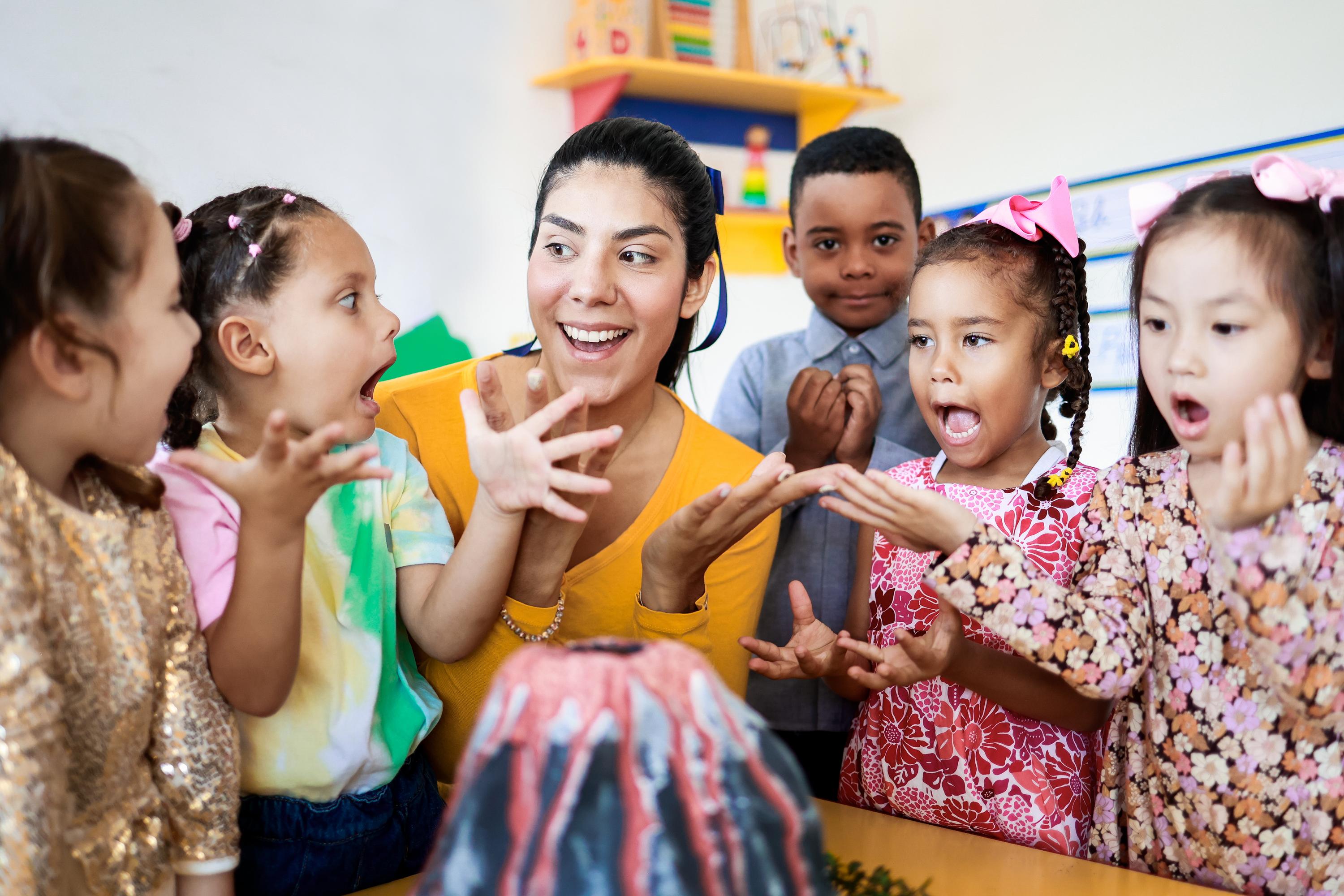
Emotions play a crucial role in how children express themselves. Understanding their emotional world can help improve communication.
Emotional Regulation for Kids
Helping kids manage their emotions can improve their communication skills. Emotional regulation involves teaching children to understand and control their feelings. Simple techniques like breathing exercises or counting can be effective tools. These practices enable children to stay calm and articulate their thoughts more clearly.
When kids learn to regulate their emotions, they gain the confidence to express themselves. This skill not only aids in speech but also fosters better relationships with peers and family. Encouraging emotional awareness can be a stepping stone to improved communication.
Anxiety and Sensory Overload
Anxiety and sensory overload can make communication difficult for kids. Children with heightened senses may feel overwhelmed in noisy or crowded environments. This can lead to anxiety, impacting their ability to communicate effectively. Recognising these triggers can help you create a more supportive atmosphere.
Providing a quiet space or using calming techniques can help your child feel more in control. By reducing anxiety, you give them the space to express themselves more freely. This not only improves their communication but also enhances their overall well-being.
How Emotions Affect Speech
Emotions can directly influence how a child speaks. Happiness might make them more talkative, while stress can cause hesitation. Understanding this connection can help you interpret their communication more accurately.
When a child feels understood, they are more likely to open up. Validating their feelings encourages them to express themselves without fear of judgment. This positive reinforcement builds their confidence in their communication abilities.
Supporting Your Child’s Development
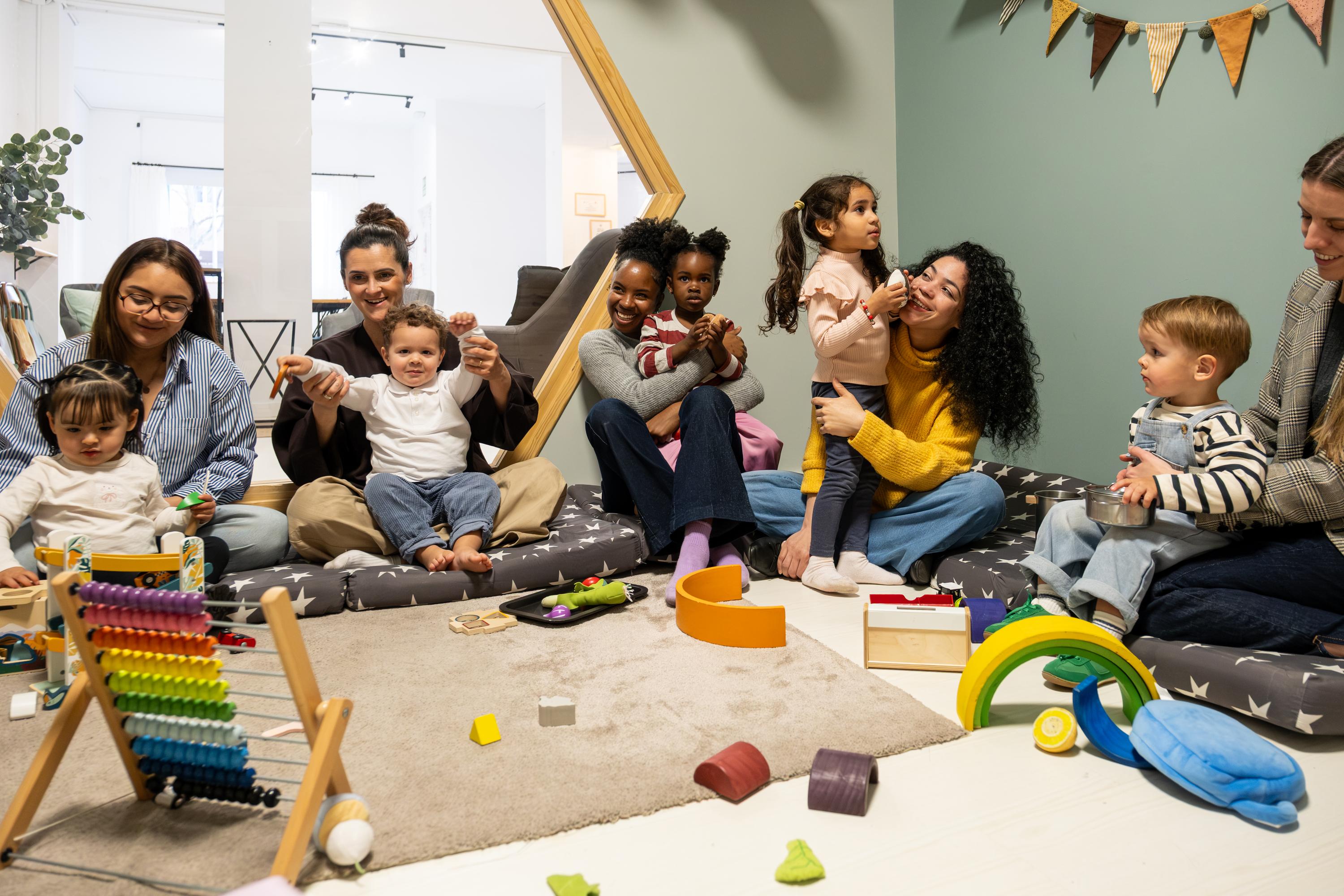
You play a key role in nurturing your child’s growth. By using practical strategies, you can support their development effectively.
Practical At-home Strategies
Incorporating simple activities into daily life can support your child’s communication and emotional growth. Playing games that encourage speech or reading together can make learning fun. These activities also provide opportunities for bonding and learning.
Consistency is key. Setting aside time each day for these activities can create a routine your child looks forward to. As they engage with you, they’ll develop their skills in a supportive environment.
When to Seek Professional Support
Knowing when to seek professional help can be crucial in your child’s development. If you notice persistent challenges in communication or behaviour, consulting a specialist can provide clarity and support. Experts can assess your child’s needs and recommend tailored interventions.
Early intervention can prevent potential issues from escalating. Professional support offers guidance not only for your child but also for you as a parent, equipping you with strategies to use at home.
NDIS Therapy Melbourne and Telehealth
Accessing therapy can be convenient with options like NDIS and telehealth. In Melbourne, NDIS therapy provides comprehensive support for families. These services are designed to meet a variety of needs, ensuring each child receives the right care.
Telehealth offers flexibility, allowing you to access therapy from home. This can be especially helpful for families with busy schedules or those living in remote areas. With these options, you can ensure your child receives consistent support, fostering their development and well-being.
Frequently Asked Questions
What are signs of a language delay in children?
Language delay signs include limited vocabulary, difficulty forming sentences, and challenges in understanding or following directions. If your child struggles with these, consulting a speech therapist can provide clarity and support.
How can emotions impact my child’s speech?
Emotions can significantly affect speech. A child who feels happy may speak more freely, while stress or anxiety can cause hesitation or withdrawal. Understanding these emotional influences can help improve your child’s communication.
When should I seek professional support for my child’s development?
If you notice persistent difficulties in communication or behaviour, seeking professional support can be beneficial. Early intervention can address these challenges effectively, providing your child with the tools they need to thrive.
What is the role of speech therapy in child development?
Speech therapy helps children improve their communication skills, making it easier for them to express themselves. It can also enhance their overall behaviour and emotional well-being by boosting their confidence and social skills.
How can I access therapy services in Melbourne?
In Melbourne, therapy services can be accessed through options like NDIS and telehealth. These services provide comprehensive support tailored to your child’s needs, ensuring they receive the right care for their development and well-being.


