

Starting Prep can feel like stepping into a new world for both you and your child. Many families worry about whether their little one is ready to handle the changes ahead, from making friends to managing daily tasks. A school readiness program Melbourne families trust offers tailored support that builds confidence, communication, and everyday skills, making the transition smoother for everyone involved. Ready for a calm, confident start to Prep? Book a free 15-minute phone consult or enquire online with Your Journey Therapy today.
Building Confidence in New Settings
The start of Prep is a big step, but with the right support, it becomes a journey filled with growth and discovery. Let’s explore how personalised approaches can make all the difference.
Personalised Support for Each Child
Every child is unique, and their path to confidence should be too. Personalised support means tailoring activities to meet your child’s specific needs. This approach ensures they develop at their own pace while recognising and celebrating their progress. For instance, some children may benefit from one-on-one sessions focusing on specific skills like counting or reading. Others might thrive in small groups where they can learn social skills through play. This tailored strategy not only helps children feel understood but also builds their self-esteem as they achieve small milestones.
Encouraging Emotional Resilience
Emotional resilience is key to navigating new environments. Children learn to understand and express their feelings through guided activities, making them more adaptable to change. Emotional resilience isn’t just about managing challenges; it’s about thriving despite them. With support, children can learn to identify their emotions and develop coping strategies that work for them. Stories and role-playing scenarios are great tools for teaching these skills. By exploring emotions in a safe space, children become more equipped to handle the ups and downs of school life.
Strategies for Overcoming Shyness
Shyness can be a hurdle, but it doesn’t have to hold your child back. Through structured play and interactive activities, children gradually build the confidence to engage with peers. Small group settings provide a gentle introduction to social interactions, where children can practice speaking up and sharing ideas. Over time, these experiences help them feel more comfortable in larger groups. Encouragement and positive reinforcement play a crucial role here. Knowing they have a supportive environment encourages children to take those first steps out of their comfort zone.
Enhancing Communication Skills

Clear communication is fundamental for school success. Developing these skills early empowers children to express themselves effectively, opening doors to new friendships and learning opportunities.
Speech Therapy for Preschoolers
Speech therapy plays a pivotal role in enhancing your child’s communication abilities. Tailored sessions focus on cultivating clear speech, which is essential for understanding and participating in classroom discussions. Sessions might include fun activities like storytelling or singing, which encourage children to use a variety of sounds and vocabulary. Over time, regular practice helps them articulate words more clearly, boosting their confidence in speaking.
Social Skills Groups Melbourne
Joining social skills groups provides children with opportunities to practice communication in real-world settings. In these groups, children engage in activities that promote cooperation, listening, and turn-taking. These skills are crucial for building friendships and working effectively in teams. As they interact, children learn to navigate social cues and develop empathy, which are vital components of emotional intelligence.
Parent Coaching Melbourne
Parent coaching offers guidance on how to support your child’s communication development at home. By understanding effective strategies, you can reinforce what they’re learning in their sessions. This might include creating a language-rich environment by reading together or encouraging conversations during everyday activities. With the right tools, you can become an active participant in your child’s developmental journey.
Developing Everyday Skills for Prep
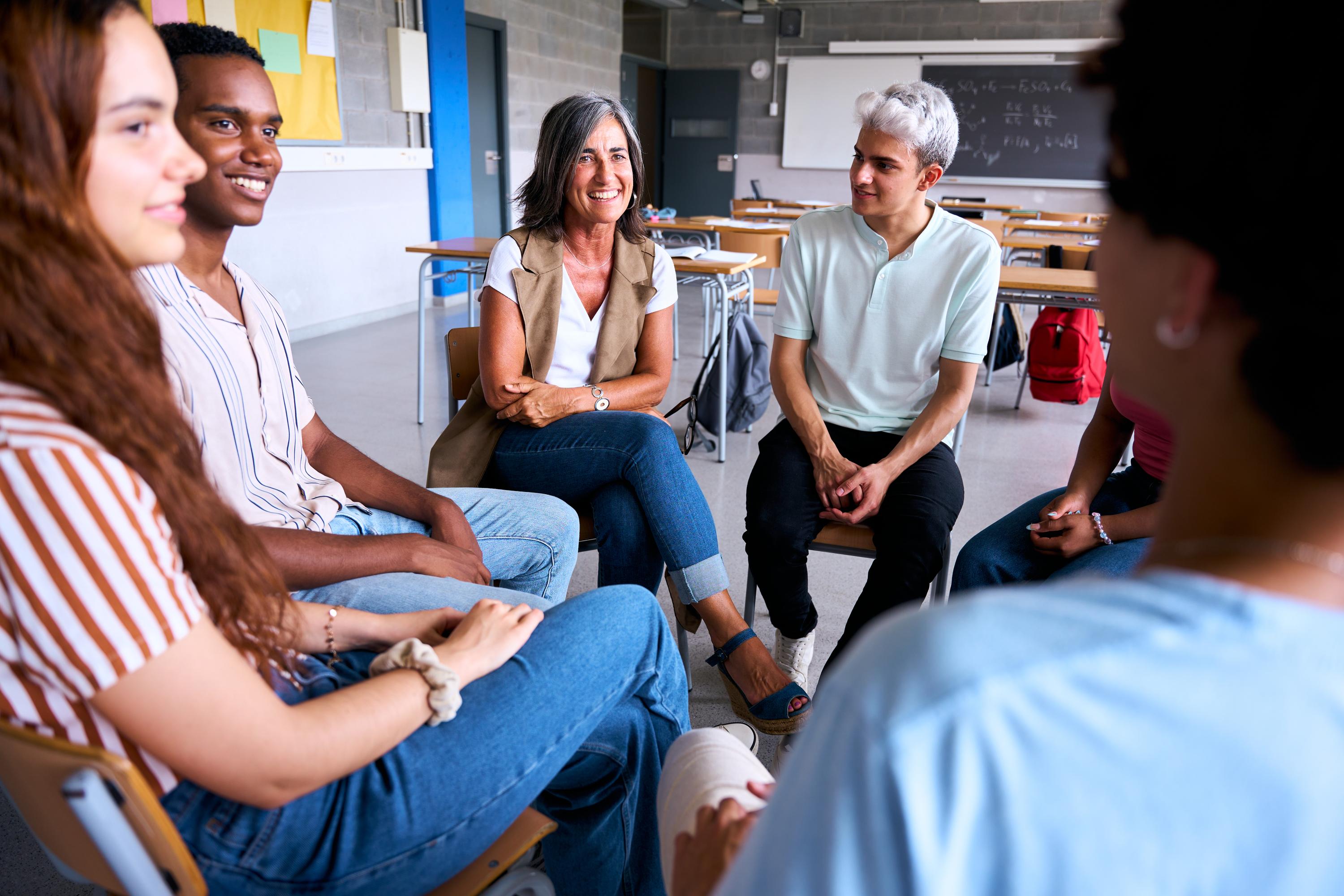
Everyday skills form the foundation for a successful transition to Prep. Fostering independence in daily tasks helps children feel capable and prepared.
Fine Motor Skills for School
Fine motor skills are essential for tasks like writing and drawing. Activities that involve cutting, threading, or playing with clay can significantly improve these skills. Regular practice helps children develop the hand-eye coordination needed for classroom activities. Over time, they’ll notice their ability to complete tasks independently, which boosts their confidence.
Self-Care Skills for Children
Teaching self-care skills such as dressing, hygiene, and meal preparation fosters independence. These skills empower children to take charge of their routines, instilling a sense of responsibility. Simple tasks like buttoning a shirt or brushing teeth can be turned into fun, engaging activities. As children master these tasks, they gain pride in their abilities and become more self-reliant.
Preparing for Kindergarten to Prep Transition
Preparing for the transition from kindergarten to Prep involves more than academic readiness. Programs that focus on social and emotional development help children adjust to new environments smoothly. Activities that mimic school routines, like packing a backpack or following a schedule, familiarize children with what to expect. By the time Prep begins, they’ll feel more at ease, knowing they have the skills to succeed.
Frequently Asked Questions
What age should my child start a school readiness program?
Most school readiness programs are designed for children aged four to five, helping them develop the skills needed for a smooth start to Prep.
How does speech therapy benefit preschoolers?
Speech therapy enhances communication skills by focusing on clear speech and language development, crucial for classroom participation and social interactions.
What are social skills groups, and how do they help?
Social skills groups provide a structured environment for children to practice communication, cooperation, and empathy, essential for building friendships.
Why are fine motor skills important for school readiness?
Fine motor skills are vital for tasks like writing and drawing, helping children perform school activities with confidence and independence.
How can I support my child’s transition to Prep at home?
Encourage routines that mimic school activities, engage in conversations, and provide opportunities for your child to practice self-care skills to ease their transition.
By focusing on these areas, your child will embark on their educational journey with confidence and the skills needed to thrive.


