

Occupational therapy in Melbourne isn’t just about skills—it’s about building confidence for life. When your child learns daily living skills through family-centred therapy, small wins add up to big independence at home, school, and beyond. This post shows how paediatric occupational therapy supports your child’s growth in ways that truly matter. Ready to explore practical strategies that make everyday routines easier? Learn more about how occupational therapy helps children develop independence.
Understanding Occupational Therapy
Occupational therapy is a bridge to independence for many families. It helps children build skills that translate into everyday life, making routines easier and more enjoyable.
What is Paediatric OT?
Paediatric occupational therapy focuses on helping children develop the skills they need to thrive in daily activities. This type of therapy is tailored to each child, focusing on areas like play, learning, and social participation. By engaging in fun and meaningful activities, children develop the abilities they need to perform daily tasks with ease. The goal is to support children in achieving greater independence and confidence in their abilities.
Key Benefits for Families
Families benefit greatly from occupational therapy. It provides practical support that helps children gain independence at home and in the community. Parents often notice improvements in how their children manage daily tasks like dressing or feeding themselves. This progress can reduce stress for the whole family, making day-to-day life more manageable. Additionally, the therapy is designed to be family-centred, meaning parents and caregivers are involved in the process, ensuring the skills learned are relevant and practical.
Supporting Everyday Independence
Occupational therapy plays a crucial role in fostering everyday independence. It equips children with the tools they need to participate fully in their daily lives. This support extends beyond the therapy sessions, as children begin to apply what they’ve learned in real-world settings. Whether it’s managing school tasks more effectively or feeling more comfortable in social situations, occupational therapy helps children become more self-sufficient and confident.
Building Skills and Confidence

Building skills and confidence is at the heart of occupational therapy. It empowers children to tackle daily challenges with greater ease.
Daily Living and Self-Care Skills
Daily living and self-care skills are fundamental areas targeted by occupational therapy. Children learn to perform essential tasks such as dressing, grooming, and using utensils. These skills are practiced in therapy sessions and at home, allowing children to develop competence and confidence over time. As they master these tasks, children often experience a boost in self-esteem, which positively impacts other areas of their lives.
Enhancing Fine and Gross Motor Skills
Fine and gross motor skills are critical for a child’s overall development. Occupational therapy helps enhance these skills through targeted activities and exercises. Fine motor skills involve the coordination of small muscles, crucial for tasks like writing or buttoning clothes. Gross motor skills involve larger muscle groups and are important for activities like running or jumping. By improving these skills, children gain greater control over their bodies, enabling them to participate more fully in play and learning.
Sensory Processing and Emotional Regulation
Sensory processing and emotional regulation are key aspects of occupational therapy. Some children experience challenges in processing sensory information, which can affect their behaviour and emotional responses. Therapy helps children learn to manage sensory input more effectively, reducing stress and improving focus. Emotional regulation strategies are also taught, helping children cope with various emotions in healthy ways. These skills are invaluable for navigating the complexities of social interactions and daily life.
Engaging with Your Journey Therapy
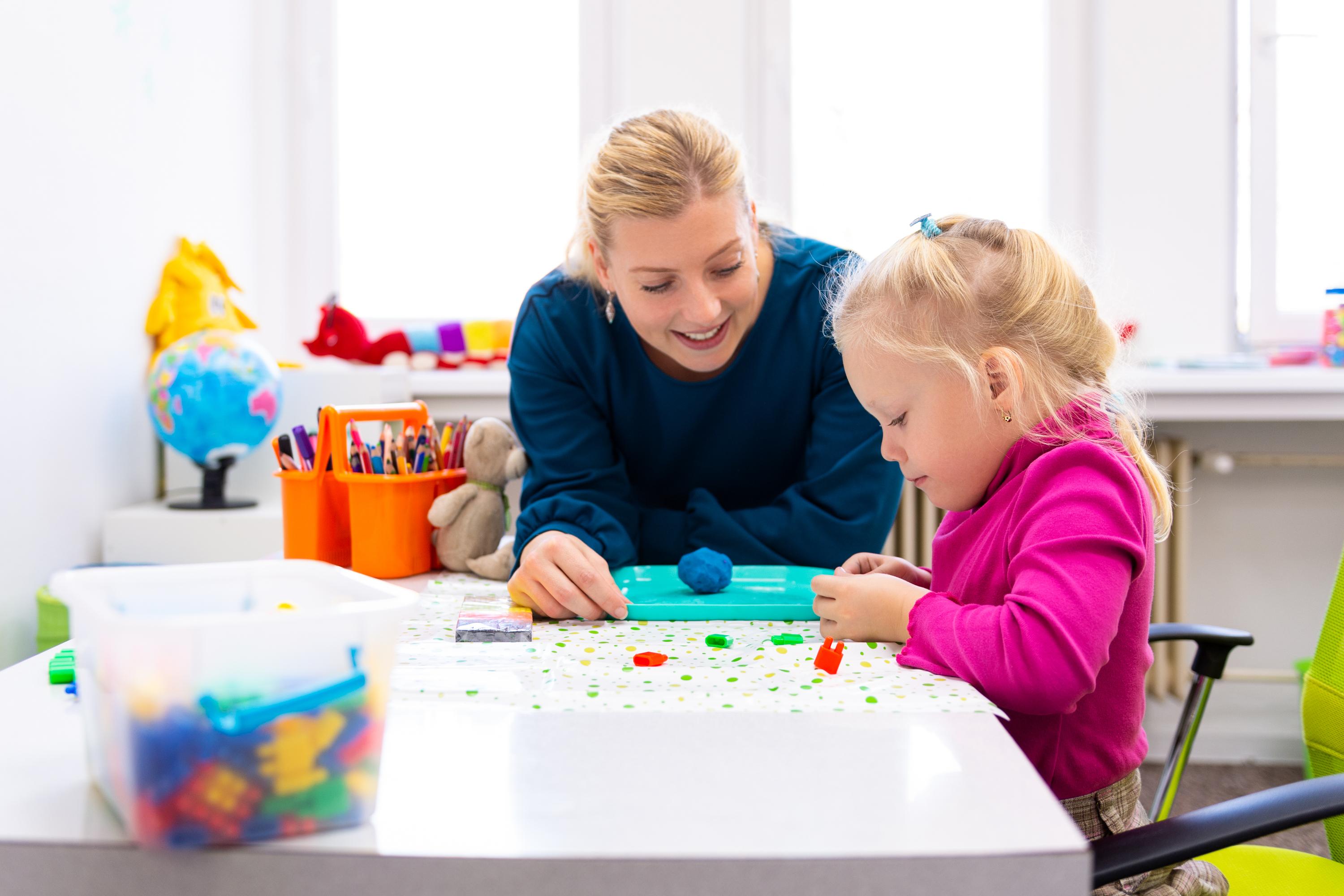
At Your Journey Therapy, we focus on creating a supportive and inclusive environment for every child. Our approach is designed to meet the unique needs of each family.
Our Family-Centred Approach
Our family-centred approach ensures that therapy is tailored to the specific needs of each child and family. We believe in working closely with parents and caregivers to develop effective strategies that support children’s growth and independence. By involving families in the therapeutic process, we ensure that the skills learned in therapy are meaningful and applicable in everyday life. This collaborative approach fosters a sense of empowerment and confidence for both children and their families.
Tailored Programmes for Every Need
Your Journey Therapy offers tailored programmes to meet the diverse needs of our clients. From school readiness to social skills groups, our programmes are designed to address specific goals and challenges. Our multidisciplinary team works together to provide comprehensive support, ensuring that each child receives the best possible care. Whether your child needs help with fine motor skills or emotional regulation, our programmes are crafted to promote growth and success.
Getting Started with Our Team
Getting started with our team is easy and welcoming. We invite families to reach out and learn more about how we can support your child’s journey to independence. Our team is dedicated to providing compassionate and effective care, making the transition into therapy smooth and reassuring. We’re here to guide you every step of the way, ensuring that your child’s needs are met with warmth and expertise.
Frequently Asked Questions
What is the role of an occupational therapist in paediatric care?
An occupational therapist helps children develop the skills needed for daily life, focusing on areas like self-care, play, and learning. They tailor activities to support each child’s unique needs, promoting independence and confidence.
How does occupational therapy support children with sensory processing issues?
Therapists design activities that help children manage sensory input effectively, reducing stress and improving focus. This support can enhance a child’s ability to participate in various activities and social interactions.
Can occupational therapy help with emotional regulation in children?
Yes, occupational therapy can teach children strategies for managing emotions in healthy ways. This support helps children cope with different situations, improving their ability to handle challenges and interact positively with others.
What makes Your Journey Therapy’s approach unique?
Our approach is family-centred and collaborative, involving parents and caregivers in the process. We offer tailored programmes that address each child’s specific needs, supported by a multidisciplinary team dedicated to promoting growth and independence.
How can families get started with occupational therapy at Your Journey Therapy?
Families can contact us directly to learn more about our services and begin the process. Our team is ready to provide a welcoming and supportive environment, guiding families as they embark on their therapy journey.


