

Change can throw a spanner in the works for kids, especially those struggling with change or who find transitions tough. You might feel stuck watching your child get anxious or upset as routines shift. This guide offers gentle, practical steps to ease daily changes, from home routines to starting school. With support from our Melbourne child therapy team, you’ll find ways to help your child feel safer and more confident during these tricky moments. For more insights, check out this guide on managing transitions and change.
Understanding Change Anxiety
Kids often find change difficult because it disrupts their sense of stability and predictability. Let’s explore why change can be challenging for kids and how routine plays a vital role in reducing stress.
Why Change is Hard for Kids
Children naturally seek stability. When the world around them shifts, it can feel overwhelming. Kids thrive in predictable environments where they know what comes next. New situations or disruptions can lead to anxiety because they introduce uncertainty. This is particularly true for children who struggle with change, including those with neurodivergent traits. Understanding this helps us see that their resistance isn’t stubbornness but a need for security.
Recognising Signs of Distress
Recognising when a child is distressed by change is crucial. Look for signs such as increased clinginess, difficulty sleeping, or sudden outbursts. Some children might express worry or fear verbally, while others may withdraw. These behaviours signal that they need support. By identifying these signs early, you can take steps to help them feel more at ease.
Role of Routine in Reducing Stress
Routine offers a safety net for kids. Knowing what to expect each day can significantly lower their anxiety. Simple, consistent daily schedules provide comfort. Even small rituals, like reading a book before bed or having a set morning routine, can be grounding. You can help your child cope better by maintaining these routines, especially during times of transition.
Explore more on how routines help children with transitions.
Practical Strategies for Transitions
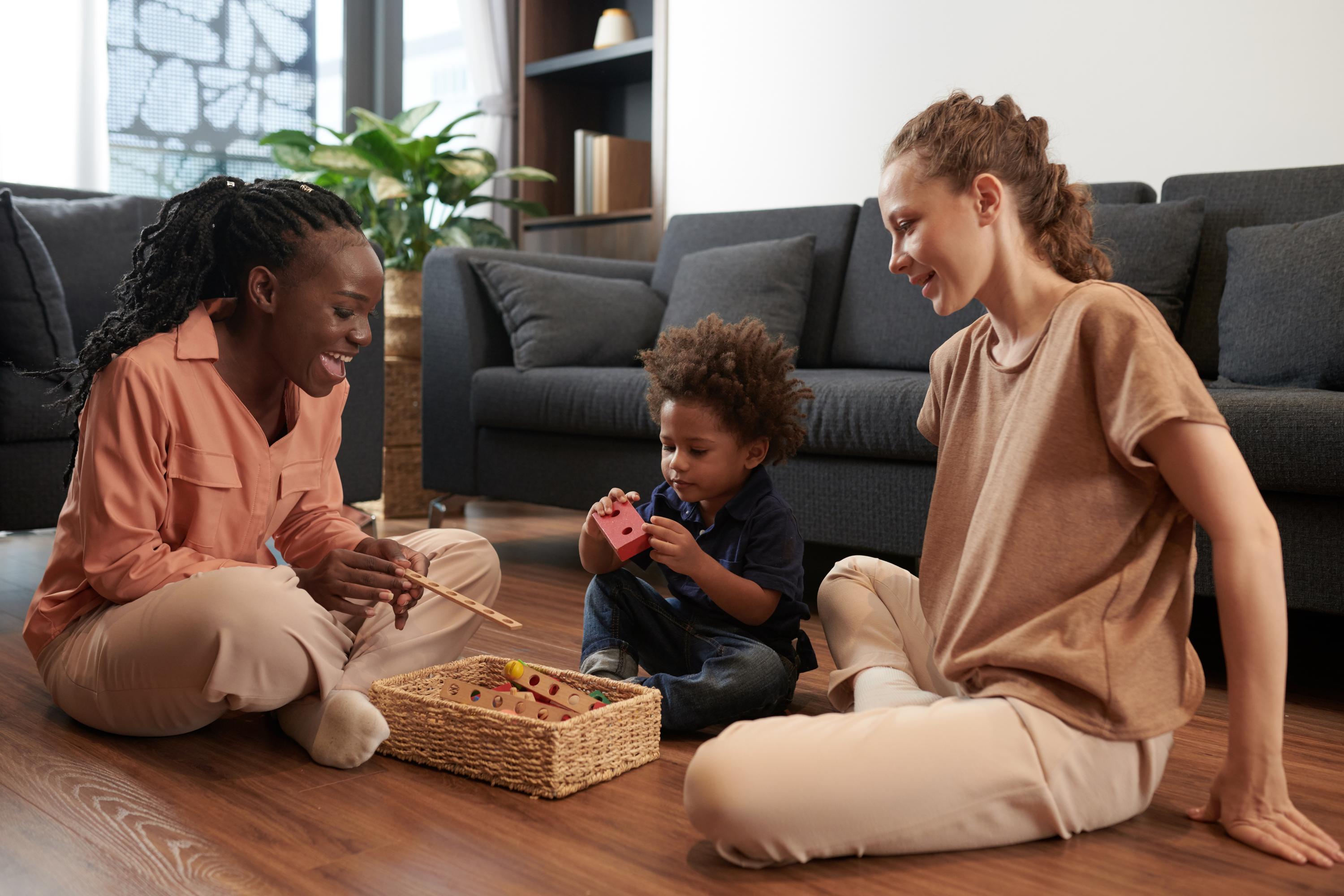
Now that we understand the role of routine, let’s delve into practical strategies that can ease transitions for children.
Visual Schedules and Timers
Visual aids are powerful tools for helping kids anticipate change. Visual schedules, which use pictures or symbols to represent activities, can guide children through their day. This helps them understand what’s coming next. Timers can also be effective. They serve as a countdown to transition moments, giving kids time to prepare mentally. These tools empower children to feel in control of their day.
Co-regulation and Sensory Strategies
Children often need help managing their emotions during transitions. Co-regulation involves a caregiver helping a child calm their nervous system. This can be done through soothing talk, hugs, or breathing exercises. Sensory strategies, like using fidget toys or listening to calming music, can also be beneficial. These approaches support children in feeling more grounded and less anxious during changes.
Social Stories and Role-play
Social stories and role-play are creative ways to prepare children for transitions. Social stories use short narratives to explain what will happen and how they might feel. Role-playing scenarios help kids practice responses to new situations in a safe environment. These techniques increase their confidence and reduce the fear of the unknown.
For more strategies on preparing your child for life’s transitions, look into this blog post.
Partnering with Professionals

Sometimes, professional support can provide an extra layer of guidance and reassurance for both you and your child.
Importance of Parent Coaching
Parent coaching offers valuable insights into handling changes effectively. Coaches provide strategies tailored to your family’s needs, helping you respond to your child’s anxiety with confidence. They offer a space to express concerns and learn new techniques that make transitions smoother for everyone involved.
Benefits of Occupational Therapy
Occupational therapy can be a game-changer for kids who struggle with change. Therapists work with children to develop coping skills and improve their ability to adapt to new situations. Through playful and engaging activities, therapists help kids build resilience, making them more comfortable with transitions.
When to Seek Extra Help
How do you know when to seek extra help? If your child’s anxiety around change becomes overwhelming or impacts their daily life, it might be time to reach out to professionals. Therapists can work with your child to build coping skills and provide support tailored to their unique needs.
Frequently Asked Questions
How can I help my child handle changes better?
Start by establishing a consistent routine at home. Use visual schedules and timers to help them anticipate transitions. Engage in activities like role-play and social stories to prepare them for new situations. Consider reaching out to professionals for additional support.
What are signs that my child is struggling with change?
Look for increases in anxiety, such as clinginess, outbursts, or withdrawal. Difficulty sleeping and increased fear or worry are also common signs. If these behaviours persist, consider seeking professional help.
When should I seek professional help for my child’s change anxiety?
If your child’s anxiety begins to interfere with their daily life, such as affecting school performance or social interactions, consulting a therapist can be beneficial. Professionals can provide tailored strategies to help your child cope with change more effectively.


