

Everyday family life often comes with challenges that can feel overwhelming. When your child struggles with tasks like dressing, handwriting, or managing emotions, it’s natural to seek support that truly understands these moments. Occupational therapy Melbourne offers practical help for everyday skills, from self-care to school readiness, tailored to your family’s unique needs. Let’s explore how OT can bring calm and confidence to your daily routine, making life easier for everyone. For more information on how occupational therapy can benefit your entire family, visit this link.
Everyday Skills at Home
Occupational therapy can transform daily routines into smoother experiences for families. By focusing on practical skills, it supports children in thriving within their environments. Let’s see how OT can help at home.
Self-care Skills for Kids
Helping children develop self-care skills is a key area of occupational therapy. It can involve everything from getting dressed to brushing teeth. OT helps kids master these tasks through fun and engaging methods.
For instance, if your child struggles with tying shoelaces, an OT might introduce them to a simple mnemonic to remember the steps. This approach not only builds independence but boosts their confidence. Imagine the joy on their face when they finally tie their shoes unassisted! Your child will gain tools that allow for more autonomy, making mornings less rushed and more pleasant.
Feeding and Mealtime Routines
Feeding challenges are common among children and can be stressful for families. Occupational therapists offer strategies to make mealtime more enjoyable. They work with children who are picky eaters or have difficulty with utensils.
For example, therapists might use sensory-friendly utensils to help kids feel more comfortable. By introducing new foods slowly and in a relaxed setting, children can learn to enjoy eating. This, in turn, improves nutrition and family mealtime harmony.
Sensory Processing Support
Many children experience sensory processing issues, which can impact daily life. OT provides sensory processing support, helping children interpret and respond to sensory input. This can be crucial for kids who are sensitive to noise or texture.
Therapists create personalized sensory diets that include activities and tools to help children regulate their responses. This means fewer meltdowns and more peaceful family outings. Understanding and managing sensory needs can greatly enhance a child’s comfort at home.
School and Community Success

Preparing for school and engaging in community activities are crucial steps in a child’s journey. Occupational therapy plays a pivotal role in this transition, ensuring that children are ready to embrace new experiences.
School Readiness Program Melbourne
A school readiness program focuses on preparing children for the structure and social demands of school. This is vital for easing the transition into the school environment.
In Melbourne, programs may include activities that build fine motor skills, such as cutting with scissors or writing. These foundational skills help children feel more confident and capable in the classroom. Parents often notice a smoother adjustment to school routines and expectations.
Social Skills Groups Melbourne
Participating in social skills groups aids children in learning how to interact positively with peers. These groups simulate real-life social situations, which can be especially beneficial for children who find social interactions challenging.
Through role-playing and group activities, children practice essential skills like sharing, taking turns, and initiating conversations. These experiences foster better communication and friendships, making social settings less daunting.
Fine and Gross Motor Skills
Occupational therapy also enhances fine and gross motor skills, which are essential for everyday tasks. Fine motor skills involve small movements like grasping a pencil, while gross motor skills involve larger movements like jumping.
Therapists use activities like obstacle courses or arts and crafts to strengthen these abilities. Improved motor skills help children engage more fully in play and school activities, leading to greater participation and enjoyment.
Building Family Confidence
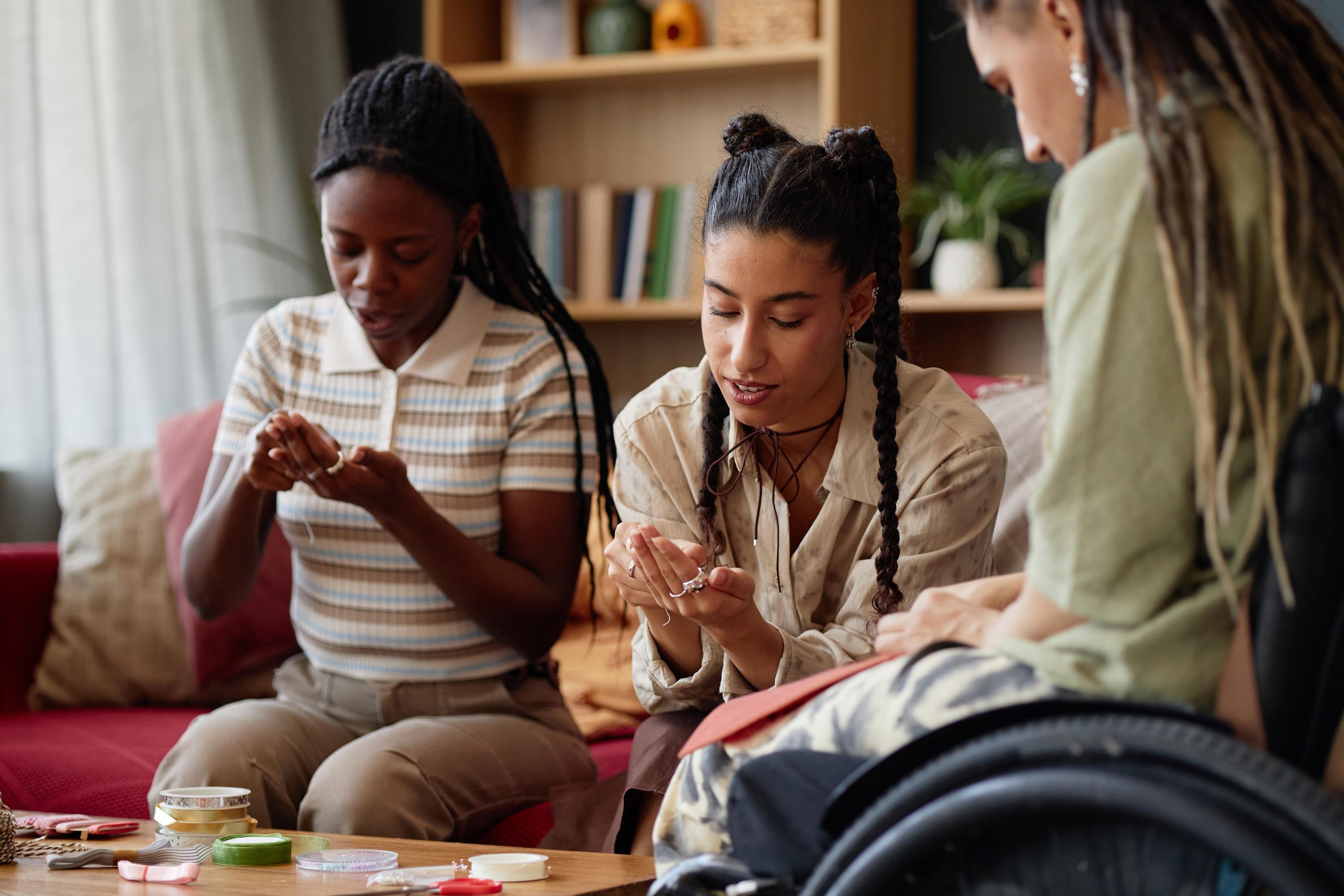
A confident family can face challenges with resilience and calm. Occupational therapy supports not only the child but the whole family, creating a nurturing environment for growth.
Emotional Regulation Strategies
Emotional regulation is a key focus in occupational therapy. Children learn to identify and manage their emotions effectively. Strategies include using a “feelings chart” or practicing deep breathing techniques.
When children can regulate their emotions, they experience fewer outbursts and better interactions with family and peers. This builds a more harmonious home life where everyone feels understood and supported.
Routine and Organisation Support
Establishing routines is crucial for family life, and OT provides valuable support in this area. Therapists assist in creating structured routines that fit your family’s needs, from morning checklists to bedtime rituals.
Having a consistent routine reduces stress and provides children with a sense of security. It also helps parents feel more in control, making daily demands more manageable.
Parent Coaching Melbourne
Parent coaching is an invaluable service offered by occupational therapists. It empowers parents with strategies to support their child’s development and manage challenges effectively.
Through personalized sessions, parents gain insights into their child’s needs and how to meet them. This builds confidence and a stronger parent-child connection. By working as a team, families can create a supportive environment for everyone’s growth.
Frequently Asked Questions
What is occupational therapy?
Occupational therapy helps people of all ages participate in the activities they want and need to do. It focuses on enhancing daily living skills through therapeutic techniques. For more details, check this resource.
How can occupational therapy help my child with sensory processing issues?
OT provides strategies and tools to help children manage sensory input, improving their ability to participate in daily activities comfortably. Learn more about sensory processing support here.
Why is parent coaching important in occupational therapy?
Parent coaching equips you with techniques to support your child’s development and overcome challenges. It fosters a collaborative approach to therapy, enhancing outcomes for the family.
What are the benefits of a school readiness program?
School readiness programs prepare children for the academic and social demands of school. They focus on building skills like communication, social interaction, and motor abilities.
Are occupational therapy services covered under NDIS plans?
Yes, occupational therapy services are available through NDIS plans, covering various developmental and support needs. For more information, you can visit Southwoods Health’s blog.


