

School readiness is about more than just letters and numbers. Your child’s confidence, independence, and ability to manage emotions matter just as much as academic skills. In this guide, you’ll find practical ways to support your child’s Prep readiness, focusing on everyday skills like self-care, social play, and communication. Let’s explore how these foundations prepare your little one for a smooth kinder to Prep transition in Melbourne. For more insights, visit this guide on assessing school readiness.
Building Confidence and Independence
The foundation of school readiness extends beyond academic competencies. Let’s delve into building confidence and independence to set the right stage.
Everyday Tasks for Prep Readiness
Everyday tasks are crucial in preparing your child for school. Encouraging them to take part in daily activities like setting the table or sorting laundry builds both confidence and independence. These small tasks are stepping stones for bigger challenges they will face in school.
Creating a checklist of simple chores can help keep them engaged. Remember, the goal here is not perfection but participation. Praising their effort, not the outcome, boosts self-esteem. Such engagement fosters a sense of responsibility and accomplishment, essential for school readiness.
Encouraging Self-Care Independence
Self-care is another vital area. Teaching your child to dress themselves, brush their teeth, and handle toileting independently builds self-reliance. This not only reduces morning stress but also ensures they feel capable and prepared for school life.
Start with one task at a time, maybe tying their shoelaces or packing their lunchbox. Celebrate small victories as they master each new skill. This gradual approach builds self-sufficiency, making your child more confident in handling daily school routines.
Developing Executive Functioning Skills
Executive functioning skills are fundamental for school success. These include tasks like following instructions, managing time, and problem-solving. Simple games and activities can enhance these skills.
Playing board games that require taking turns and remembering rules can be a fun way to build these abilities. Encourage your child to plan their day with a simple schedule. This practice not only aids in developing focus and organisation but also prepares them for the structured environment of school.
Enhancing Social and Emotional Skills

Social and emotional skills are as important as academic skills. Developing these areas helps children manage their emotions and interact positively with peers.
Social Skills for Kids Through Play
Social play is a powerful tool for building social skills. It teaches children to share, cooperate, and resolve conflicts. Organise playdates or group activities to give your child ample practice in social interactions.
Role-playing different scenarios, like buying groceries or ordering food, can also enhance social understanding. These activities prepare your child to navigate social situations confidently, an essential part of school life.
Emotional Regulation for Children
Helping your child manage their emotions is crucial. Teach them to recognise and name their feelings. Simple practices like deep breathing or counting to ten can aid in calming down.
Books and stories about emotions can also provide a relatable way for children to understand their feelings. As they learn to express and manage emotions, they become better equipped to handle the challenges of school.
Managing Separation Anxiety
Separation anxiety is common but manageable. Building trust and a sense of security can ease this transition. Start with short separations and gradually increase the duration as your child becomes more comfortable.
Reassure them of your return and stick to the routine. A small comfort item can also help ease the anxiety. With time and patience, your child will gain the confidence to embrace new environments.
Practical Strategies for School Transition
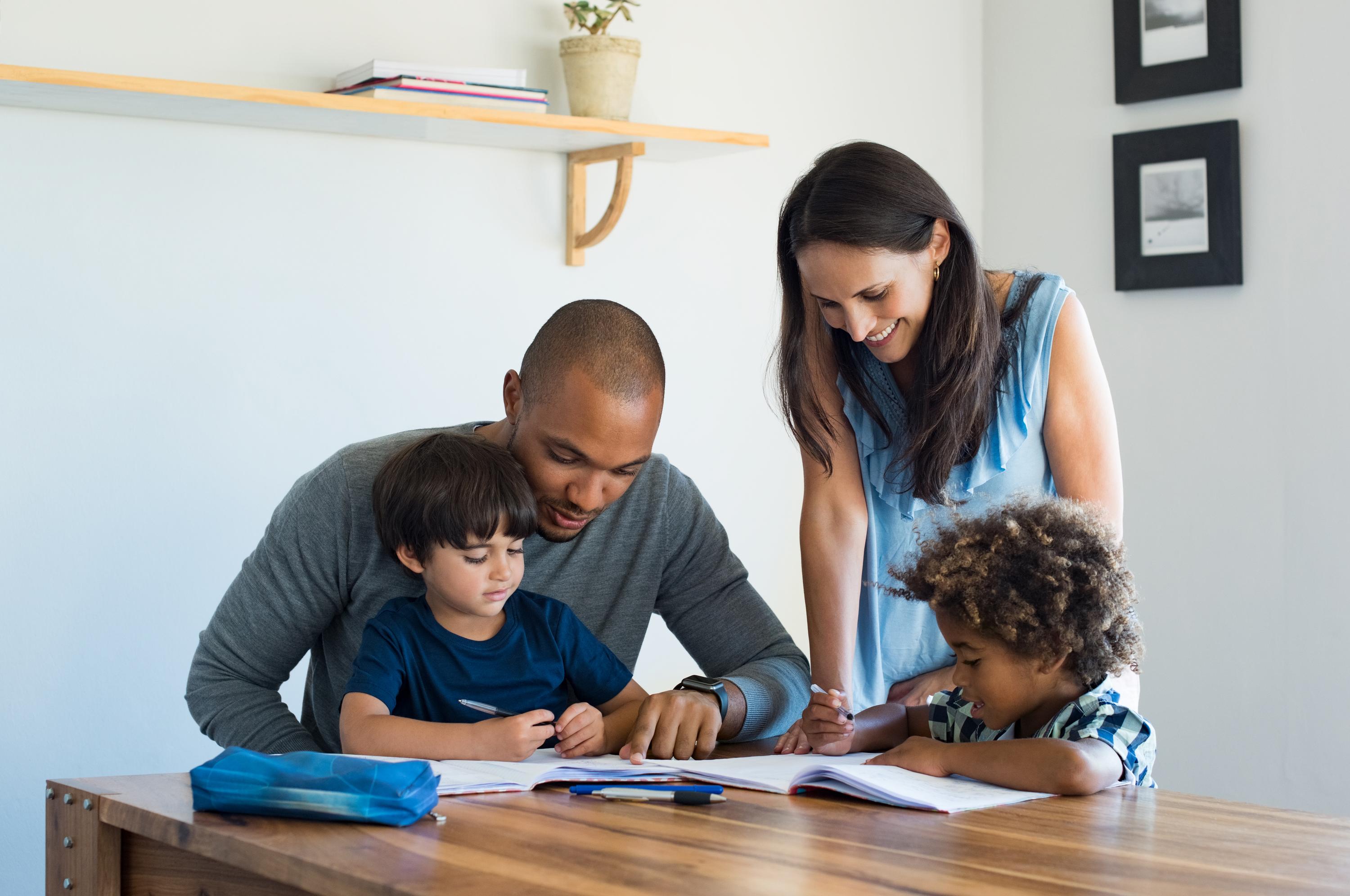
These practical strategies ensure a smooth school transition. Focusing on motor skills, sensory support, and routines helps your child settle into the school environment.
Fine and Gross Motor Skills for School
Developing motor skills is essential for school tasks. Activities like cutting with scissors, drawing, or playing catch enhance these skills. Encourage daily practice to build dexterity and coordination.
Regular physical activity, such as running or jumping, also supports gross motor development. These skills are necessary for participating in school sports and physical education.
Sensory Processing Support at Home
Supporting sensory processing at home can make a significant difference for your child. Create a sensory-friendly environment by providing various materials and experiences. Simple activities like playing with clay or sand can help your child regulate sensory input.
Understanding your child’s sensory preferences allows you to tailor activities that meet their needs. This preparation aids their ability to focus and participate fully in school.
Routines and Visual Schedules for Kids
Establishing routines provides structure and predictability. Visual schedules can be particularly helpful for understanding daily activities. Use pictures or drawings to create a schedule that your child can easily follow.
A consistent routine, especially in the mornings and evenings, prepares your child for the school day. This predictability reduces anxiety and ensures a smoother transition into school life.
Frequently Asked Questions
What are basic self-care skills for school readiness?
Basic self-care skills include dressing, toileting, and personal hygiene. These skills help children gain independence and build confidence, essential for thriving in a school setting.
How can I help my child develop emotional regulation?
Encourage your child to identify and express their feelings. Teach calming techniques like deep breathing. Using stories or role-play can make learning about emotions engaging and effective.
What activities improve fine motor skills for school?
Activities like drawing, cutting with scissors, and playing with clay can enhance fine motor skills. These activities develop hand-eye coordination and dexterity, crucial for academic tasks.
How can visual schedules benefit my child?
Visual schedules provide structure and predictability. They help children understand what to expect and reduce anxiety. This support is especially helpful during transitions and new routines.
What is the role of social play in school readiness?
Social play helps children learn to cooperate, share, and resolve conflicts. These interactions build social skills, preparing them for successful peer relationships and collaboration in school.


